
Can Molecular Hydrogen Inhibit Cancer Cell Growth?

patient high fiving relative after hydrogen therapy

Molecular Hydrogen in Cancer Management: Mechanisms, Clinical Evidence, and Therapeutic Potential

Key Points: Molecular Hydrogen and Cancer

  • Molecular hydrogen functions as a selective antioxidant, targeting harmful reactive oxygen species while preserving beneficial cellular signaling molecules[1]
  • Clinical evidence from 82 advanced cancer patients demonstrates a 57.5% disease control rate with significant improvements in quality of life, fatigue, and pain management[2]
  • Laboratory research reveals hydrogen suppresses cancer cell growth through multiple pathways, including AKT/SCD1 signaling inhibition in colorectal cancer and glioma stem cell differentiation induction[3][4]
  • Hydrogen therapy demonstrates immunomodulatory effects, restoring exhausted CD8+ T cells and enhancing anti-tumor immune responses[5][6]
  • Multiple delivery methods exist—inhalation, hydrogen-rich water consumption, and topical application—each offering distinct therapeutic advantages[7]
  • Safety profile is excellent with minimal adverse effects; hydrogen therapy is well-tolerated even in advanced cancer patients undergoing concurrent conventional treatments[2][8]
  • Hydrogen reduces chemotherapy and radiation side effects by protecting normal tissues from oxidative damage without compromising therapeutic efficacy[9][10]

Introduction: The Burden of Cancer and the Search for Novel Therapies

According to the National Cancer Institute, cancer is the leading cause of death throughout the world. Furthermore, it is predicted that by 2030, cancer cases will increase to 23.6 million. Despite remarkable advances in oncology over the past several decades, cancer treatment continues to present formidable challenges. Current therapeutic modalities—surgery, chemotherapy, radiation therapy, and targeted treatments—while lifesaving for many patients, often carry substantial toxicities and limitations.[2]

In the United States, many treatment options are available for different forms of cancer. Depending on the severity and stage of cancer, radiation therapy may be required. Although this treatment saves many lives, it causes several side effects that affect the quality of life. These side effects include nausea, vomiting, skin problems and more.

The landscape of cancer treatment has evolved dramatically, yet fundamental challenges persist. Precision treatment strategies based on molecular detection have shown benefit in only 3-13% of patients, and targeted therapies can paradoxically induce high proteome secretion leading to cancer metastasis.[2] Additionally, conventional treatments including radiotherapy, chemotherapy, and surgery can function as a double-edged sword, potentially increasing circulating tumor cells and promoting cancer progression and distant metastasis.[2]

These limitations have catalyzed intensive research into complementary and alternative therapeutic approaches that might enhance treatment efficacy while minimizing adverse effects. Among these emerging strategies, molecular hydrogen therapy has garnered increasing attention from the scientific and clinical oncology communities.[1][6]

Molecular hydrogen (H₂)—the simplest and most abundant molecule in the universe—has emerged as a promising therapeutic agent with potential applications across numerous disease states, including cancer. What distinguishes hydrogen from conventional antioxidants and therapeutic agents is its unique combination of properties: exceptional bioavailability due to its small size, selective antioxidant activity, anti-inflammatory effects, and ability to modulate cellular signaling pathways without apparent toxicity.[1][11]

hydrogen molecule visual showing electron orbiting hydrogen nucleus

Hydrogen atom

This comprehensive review examines the current state of molecular hydrogen therapy in cancer management, exploring its mechanisms of action, preclinical evidence, clinical applications, safety profile, and future directions. We synthesize findings from in vitro studies, animal models, and human clinical trials to provide an evidence-based assessment of hydrogen’s therapeutic potential as both a standalone intervention and as an adjunct to conventional cancer treatments.

Understanding Molecular Hydrogen: Properties and Biological Significance

Definition and Molecular Properties

Molecular hydrogen (H₂) consists of two hydrogen atoms covalently bonded together, forming the smallest and lightest molecule known. This diminutive size grants H₂ extraordinary biological properties. Unlike larger antioxidant molecules, hydrogen can readily diffuse across cell membranes, penetrate subcellular organelles including mitochondria, and even cross the blood-brain barrier—capabilities that make it uniquely suited for delivering therapeutic effects throughout the body’s tissues and organs.[12]

As a gas at standard temperature and pressure, hydrogen is colorless, odorless, tasteless, and non-toxic. Its reducing properties and electron-donating capabilities underlie many of its biological effects. Critically, hydrogen demonstrates selectivity in its antioxidant activity, a characteristic that distinguishes it from conventional antioxidants and contributes significantly to its therapeutic potential.[11]

Historical Context in Medicine

While the therapeutic use of hydrogen may seem novel, its medical applications have a longer history than commonly appreciated. As early as 1975, researchers Malcolm Dole, F.R. Wilson, and W.P. Fife published pioneering work in Science demonstrating that hyperbaric hydrogen therapy could suppress tumor growth in mouse models of skin cancer.[13] However, this early research did not lead to widespread clinical adoption, largely due to technical challenges and safety concerns associated with hyperbaric hydrogen delivery.

The modern renaissance of hydrogen therapy began with groundbreaking research published in Nature Medicine in 2007 by Ohsawa and colleagues. This seminal study demonstrated that hydrogen acted as a therapeutic antioxidant by selectively reducing cytotoxic oxygen radicals, thereby protecting cells from oxidative stress-induced damage without interfering with beneficial oxidative signaling.[14] This discovery catalyzed a surge of research into hydrogen’s therapeutic applications across diverse medical conditions, including cancer.

An intriguing real-world discovery further highlighted hydrogen’s potential. In April 1986, children suffering from leukemia resulting from the Chernobyl nuclear disaster were brought to drink water from a specific mine. Several months later, many children showed significant symptomatic improvement, with one case achieving complete recovery. Subsequent investigation revealed that the therapeutic effects were attributed to the substantial hydrogen gas content in this water.[6] While anecdotal, this observation sparked scientific interest in systematically evaluating hydrogen’s anti-cancer properties.

Mechanisms of Action: How Molecular Hydrogen Influences Cancer Biology

Selective Antioxidant Properties

A study involving patients with liver cancer found that molecular hydrogen (H₂) water can improve the quality of life during radiation treatments. Hydrogen water does this by decreasing effects caused by oxidative stress without ruining the therapeutic benefits of radiation treatments.

The cornerstone of hydrogen’s therapeutic mechanism lies in its selective antioxidant activity. Cancer cells characteristically exhibit elevated levels of reactive oxygen species (ROS) production as a byproduct of their dysregulated metabolism and rapid proliferation. While some ROS serve important signaling functions in cellular homeostasis, excessive ROS generation creates oxidative stress—a state implicated in cancer initiation, progression, metastasis, and treatment resistance.[1]

Moreover, another study published in Experimental Oncology shows that the use of hydrogen-enriched water can repress the growth of cancer cells.

What is ROS?

Molecular hydrogen demonstrates remarkable selectivity in its antioxidant function, preferentially neutralizing the most harmful reactive species—particularly hydroxyl radicals (•OH) and peroxynitrite (ONOO⁻)—while sparing beneficial ROS involved in cell signaling, immune function, and redox regulation.[1][14] This selectivity represents a fundamental advantage over conventional antioxidants like vitamins C and E, which may indiscriminately scavenge both harmful and beneficial reactive species, potentially interfering with cellular signaling processes essential for health and even for anti-cancer treatment efficacy.[1]

ROS are unstable oxygen species that contain one unpaired valence electron. This is important because electrons prefer to be in pairs. When ROS and other oxygen-containing molecules known as free radicals enter the body, they attempt to steal electrons from healthy cells.

Recent research has elucidated the molecular mechanisms underlying hydrogen’s selective reactivity. Hydrogen’s small size and neutral charge allow it to reach intracellular compartments where the most dangerous reactive species are generated, particularly within mitochondria. By selectively neutralizing hydroxyl radicals and peroxynitrite—the most cytotoxic ROS—hydrogen protects cellular components including DNA, proteins, and lipids from oxidative damage, while permitting physiologically important ROS signaling to continue unimpeded.[11]

This interaction causes cell damage and death. Moreover, it causes oxidation stress.

What is Oxidation Stress?

Oxidation stress is the cause or contributor to every human disease. Furthermore, oxidation causes issues like pain and inflammation. This decreases healthspan.

How Does H₂ Eliminate Oxygen Stress?

Because molecular hydrogen contains two hydrogen molecules, it donates one to ROS and free radicals. In one example, one hydrogen atom (H) combines with an oxygen and hydrogen molecule (OH⁻). This completes the formula for H₂O. Thus, H₂ neutralizes free radicals, turning them into harmless water.

Additionally, molecular hydrogen repairs cell damage and prevents the production of free radicals.

Hydrogen molecules reducing oxidative stress in cells illustration

Anti-Inflammatory Capabilities

Chronic inflammation represents a hallmark of cancer, contributing to tumor initiation, promotion, progression, and metastasis. The tumor microenvironment is typically characterized by elevated levels of pro-inflammatory cytokines, chemokines, and inflammatory mediators that support cancer cell survival, proliferation, angiogenesis, and immune evasion.[1] Understanding hydrogen’s relationship to inflammation is essential for appreciating its therapeutic potential.

Molecular hydrogen exerts potent anti-inflammatory effects through multiple mechanisms. Research demonstrates that hydrogen can modulate the production and activity of inflammatory cytokines including tumor necrosis factor-alpha (TNF-α), interleukin-1 beta (IL-1β), and interleukin-6 (IL-6).[1][6] By reducing excessive inflammation within the tumor microenvironment, hydrogen may help normalize conditions that otherwise support cancer progression.

A comprehensive 2024 review examining molecular hydrogen in cancer prevention and treatment highlighted hydrogen’s ability to mitigate oxidative stress caused by radiation and chemotherapy, thereby reducing tissue damage and immunosuppression to improve patient prognosis.[5] The anti-inflammatory mechanisms of hydrogen appear to involve regulation of key inflammatory signaling pathways, including nuclear factor-kappa B (NF-κB), a master transcriptional regulator of inflammatory gene expression.[6]

Modulation of Cellular Signaling Pathways

Beyond its antioxidant and anti-inflammatory properties, molecular hydrogen influences numerous cellular signaling pathways critical to cancer biology. Emerging evidence indicates that hydrogen can activate the nuclear factor erythroid 2-related factor 2 (Nrf2) pathway, a master regulator of cellular antioxidant defenses.[1]

Through a process called hormesis—wherein mild, transient stress induces beneficial adaptive responses—hydrogen promotes Nrf2 translocation to the nucleus, where it binds to antioxidant response elements (AREs) and upregulates expression of genes encoding antioxidant enzymes such as superoxide dismutase (SOD), catalase, glutathione peroxidase (GPx), and heme oxygenase-1 (HO-1).[6] This hormetic activation primes cells for improved resilience to subsequent oxidative and inflammatory challenges.

Additionally, hydrogen has been shown to modulate mitochondrial function and energy metabolism. Mitochondria serve not only as cellular powerhouses generating ATP but also as critical regulators of apoptosis, calcium homeostasis, and ROS production. Research suggests hydrogen can protect mitochondrial integrity, enhance mitochondrial biogenesis, and improve mitochondrial respiratory function—effects that may contribute to both cancer cell growth inhibition and protection of normal tissues from treatment-related damage.[15]

Immunomodulatory Effects

One of the most exciting recent discoveries concerns hydrogen’s immunomodulatory capabilities, particularly its effects on T cell function. Cancer-induced T cell exhaustion represents a major mechanism of immune evasion, characterized by progressive loss of effector functions and expression of multiple inhibitory receptors including PD-1 and TIM-3.[5]

Groundbreaking clinical research by Akagi and colleagues demonstrated that hydrogen gas therapy could restore exhausted CD8+ T cells in cancer patients, improving prognosis and enhancing responses to immunotherapy.[16][17] Specifically, hydrogen treatment activated coenzyme Q10, which in turn restored function to exhausted CD8+ T cells, particularly terminally exhausted PD-1+TIM-3+ cells. This restoration of anti-tumor immune function translated into improved clinical outcomes, including better responses to the checkpoint inhibitor nivolumab in lung cancer patients.[17]

A systematic review of molecular hydrogen therapy in cancer management concluded that hydrogen plays a promising therapeutic role as both an independent therapy and an adjuvant in combination therapy, resulting in overall improvements in survivability, quality of life, blood parameters, and tumor reduction.[8] The immunomodulatory mechanisms appear central to these clinical benefits, suggesting that hydrogen therapy may synergize particularly well with immune checkpoint inhibitors and other immunotherapeutic approaches.

Molecular Hydrogen and Cancer Cell Dynamics

Inhibition of Cancer Cell Growth and Proliferation

In the Experimental Oncology study, research on molecular hydrogen’s potential as a powerful antioxidant is noted. Molecular hydrogen is also an intuitive molecule that has great potential when it comes to oxidation stress. Additionally, tumor cells produce reactive oxygen species (ROS), which causes oxidation stress.

Extensive laboratory research has documented hydrogen’s ability to suppress cancer cell proliferation across multiple cancer types. In the Experimental Oncology study, researchers used hydrogen-rich water on oral cancer cells, with plain water serving as a control. While the plain water did not have substantial effects, hydrogen-enriched water successfully repressed the growth of cancer cells. Moreover, researchers observed H₂ seeking cancerous cells over healthy cells.[18]

Molecular hydrogen is an extremely intuitive molecule. Along with its ability to eliminate oxidation stress, it affects cell signaling and prompts responses from several protective mechanisms within the body.

This selective targeting of cancer cells while sparing normal cells represents a critical advantage for any anti-cancer therapy. Multiple mechanisms appear to contribute to hydrogen’s anti-proliferative effects, including cell cycle arrest, induction of apoptosis (programmed cell death), and interference with signaling pathways that drive uncontrolled cell division.[3][4] For a deeper understanding of these mechanisms, see our article on molecular hydrogen’s effects on cell death.

Impact on the AKT/SCD1 Signaling Pathway in Colorectal Cancer

One of the most thoroughly characterized mechanisms of hydrogen’s anti-cancer activity involves the AKT/SCD1 signaling axis in colorectal cancer. Research published in 2022 provided compelling evidence that molecular hydrogen inhibits colorectal cancer growth through this pathway.[3]

The AKT signaling pathway represents one of the most frequently dysregulated pathways in human cancers. AKT (also known as protein kinase B) is a serine/threonine kinase that regulates numerous cellular processes including cell proliferation, survival, metabolism, and angiogenesis. Aberrant AKT activation promotes cancer cell survival and proliferation while conferring resistance to apoptosis.[3]

Stearoyl-CoA desaturase 1 (SCD1), a rate-limiting enzyme in fatty acid metabolism, has emerged as a crucial player in cancer biology. SCD1 converts saturated fatty acids into monounsaturated fatty acids, influencing membrane composition, lipid signaling, and cellular metabolism. Elevated SCD1 expression has been documented in multiple tumor types including colorectal, gastric, breast, and lung cancers, and is associated with cancer progression, poor prognosis, and cancer stem cell properties.[3]

The landmark 2022 study by Zhang and colleagues demonstrated that hydrogen treatment suppressed proliferation of colorectal cancer cell lines independent of apoptosis induction. Importantly, different cell lines showed varying responses to different doses of H₂, suggesting cell type-specific effects. Hydrogen also elicited potent antitumor effects in xenograft mouse models, significantly reducing tumor volume and weight.[3]

Mechanistic investigations revealed that hydrogen inhibits colorectal cancer cell proliferation by decreasing phosphorylated AKT (pAKT) and SCD1 levels. When cells were treated with SC79, an AKT activator, the inhibition of cell proliferation induced by hydrogen was reversed, confirming that hydrogen’s anti-proliferative effects depend on AKT pathway suppression. Furthermore, SCD1 expression was markedly increased after SC79 treatment, indicating that hydrogen decreases cell survival in colorectal cancer cells by targeting the pAKT/SCD1 pathway.[3]

Clinical correlation studies strengthened these findings. Immunohistochemistry analysis of 491 colorectal cancer tissue specimens revealed that SCD1 expression was significantly higher in malignant tissues compared to normal epithelium (70.3% vs. 29.7%). Moreover, elevated SCD1 expression correlated with more advanced TNM stage, lymph node metastasis, and poorer outcomes in patients without a family history of colorectal cancer.[3] These findings suggest SCD1 as both a prognostic biomarker and a therapeutic target in colorectal cancer, with hydrogen serving as a potential SCD1 inhibitor worthy of clinical evaluation.

Glioma Stem Cell Differentiation and Glioblastoma Suppression

Glioblastoma multiforme (GBM) represents the most common and lethal primary malignant brain tumor, with a median survival of only 15-18 months despite aggressive multimodal treatment.[19] The dismal prognosis of GBM is largely attributed to glioma stem cells (GSCs)—a subpopulation of tumor cells possessing stem cell-like properties including self-renewal capacity, tumor-initiating capability, and resistance to conventional therapies.[4]

GSCs drive GBM recurrence and therapeutic resistance, making them critical targets for improved treatment strategies. Remarkably, molecular hydrogen has demonstrated the ability to suppress glioblastoma growth by inducing differentiation of these cancer stem cells, effectively reducing their tumorigenic potential.[4]

Groundbreaking research published in Stem Cell Research & Therapy in 2019 investigated hydrogen’s effects on GBM using both rat orthotopic glioma models and mouse subcutaneous xenograft models. Animals inhaled 67% hydrogen gas for one hour twice daily. The results were striking: hydrogen inhalation effectively suppressed GBM tumor growth, prolonged survival, and reduced both tumor weight and volume.[4]

Mechanistic studies revealed that hydrogen treatment attenuated the stemness of glioma cells. Expression of CD133, a widely recognized cancer stem cell marker, was significantly reduced in hydrogen-treated glioma cells. Conversely, expression of GFAP (glial fibrillary acidic protein), a marker of differentiated glial cells, was markedly increased. Flow cytometry confirmed a substantial reduction in CD133-positive cells following hydrogen treatment, and sphere formation assays—which assess cancer stem cell self-renewal capacity—demonstrated that hydrogen significantly impaired the ability of glioma cells to form tumor spheres.[4]

Additionally, hydrogen treatment inhibited the migration, invasion, and colony-forming abilities of glioma cells—all critical capabilities required for tumor progression and metastasis. These multifaceted effects suggest that hydrogen acts on glioma stem cells through multiple mechanisms to reduce their tumorigenic and invasive potential.[4]

Subsequent research further elucidated that hydrogen induces metabolic reprogramming in glioma stem cells to promote their differentiation. Metabolic analyses revealed that hydrogen inhibited glucose metabolism and promoted de novo nucleotide synthesis in GSCs, suggesting that metabolic alterations mediate hydrogen-induced GSC differentiation.[15] This metabolic reprogramming may represent a key mechanism by which hydrogen converts highly malignant, treatment-resistant glioma stem cells into more differentiated, less aggressive cancer cells.

The implications of this research are profound. By targeting cancer stem cells—the root cause of tumor recurrence and treatment resistance—hydrogen therapy may offer a complementary approach to conventional GBM treatment. The ability of hydrogen to cross the blood-brain barrier makes it particularly well-suited for treating brain tumors, overcoming a major limitation faced by many anti-cancer agents.[12]

Effects Across Other Cancer Types

While colorectal cancer and glioblastoma have been extensively studied, research has documented hydrogen’s anti-cancer effects across numerous other malignancies. A 2024 systematic review examining studies from 1980 through April 2024 identified hydrogen’s therapeutic potential in lung cancer, ovarian cancer, hepatocellular carcinoma, pancreatic cancer, and others.[1]

In lung cancer, hydrogen has shown particularly promising results. Clinical trials have demonstrated that hydrogen therapy can restore exhausted CD8+ T cells, improve responses to immunotherapy with checkpoint inhibitors, and enhance both progression-free survival and overall survival in patients with advanced non-small cell lung cancer.[17][20]

Research on ovarian cancer has revealed that hydrogen can suppress tumor cell proliferation, induce apoptosis, and sensitize cancer cells to chemotherapeutic agents.[21] A combination of hydrogen-rich water with 5-fluorouracil (5-FU) showed significant improvement in colon cancer models, with reductions in tumor size, fibrosis, and collagen content compared to 5-FU alone.[22]

These diverse findings underscore hydrogen’s broad-spectrum anti-cancer potential, suggesting that its therapeutic mechanisms—selective antioxidant activity, anti-inflammatory effects, signaling pathway modulation, and immunomodulation—may be applicable across multiple cancer types rather than being limited to specific malignancies.

Hydrogen Intake Methods: Optimizing Therapeutic Delivery

Infographic showing the three core functions of complete hydrogen therapy systems: inhalation, hydrogen water production, and topical application for skin and anti-aging

Hydrogen-Rich Water: Accessibility and Convenience

Hydrogen-rich water (HRW) represents one of the most accessible and convenient methods for hydrogen administration. This approach involves dissolving molecular hydrogen gas into water at concentrations typically ranging from 0.5 to 1.6 parts per million (ppm). When consumed, the dissolved hydrogen is absorbed through the gastrointestinal tract and distributed systemically via the bloodstream.[7]

The simplicity of hydrogen water consumption makes it particularly attractive for long-term daily use and for integration into existing lifestyles. Numerous studies have employed hydrogen-rich water as the delivery method, demonstrating its efficacy in experimental models and clinical applications.[18][22]

Research has shown that hydrogen water can be produced through various methods, with electrolysis-based generation systems offering the most reliable and consistent hydrogen concentrations. The Hydrogen Water for Athletic Recovery article extensively documented hydrogen water benefits, including its antioxidant properties and ability to reduce oxidative stress.

Hydrogen Gas Inhalation: Direct Systemic Delivery

Inhalation of hydrogen gas provides a direct route for systemic hydrogen delivery, allowing for rapid uptake through the pulmonary circulation. This method has been extensively employed in clinical trials, particularly in cancer patient populations.[2][6]

The landmark real-world survey of 82 advanced cancer patients utilized hydrogen gas inhalation as the primary delivery method. Patients inhaled a mixture of 66.7% hydrogen with 33.3% oxygen at a flow rate of 3000 mL/min for 3-4 hours daily.[2] This concentration and duration were well-tolerated and produced clinically meaningful outcomes.

Hydrogen inhalation offers several advantages. It bypasses the digestive system, delivering hydrogen directly to the bloodstream for immediate systemic distribution. The ability to administer higher concentrations via inhalation may produce more pronounced therapeutic effects compared to oral consumption of hydrogen water, though this remains an area requiring further investigation.[7]

Safety considerations for hydrogen inhalation are paramount. While hydrogen gas is flammable in certain concentrations when mixed with oxygen, properly designed medical-grade hydrogen generators incorporate safety features to maintain hydrogen concentrations below the lower explosive limit. Clinical studies have consistently demonstrated the safety of hydrogen inhalation at concentrations up to 67% when properly administered.[2][20]

Innovative Delivery Systems: Brown’s Gas Technology

Brown’s Gas, also known as oxyhydrogen or HHO gas, represents an advanced hydrogen delivery technology that produces a specific mixture of hydrogen and oxygen plus electrically expanded water vapor through alkaline electrolysis. This technology, utilized by the HydroGenie and H2 Impact systems, offers several distinctive advantages for therapeutic applications.

Unlike conventional electrolysis systems that separate hydrogen and oxygen into distinct streams, Brown’s Gas generation maintains these gases in their naturally produced 2:1 stoichiometric ratio along with water vapor, creating a unique therapeutic gas mixture. The electrically expanded water vapor component may confer additional therapeutic benefits beyond those of hydrogen alone, though this hypothesis requires further investigation.[7]

The advantage of Brown’s Gas generators lies in their simplicity, durability, and permanent output capabilities. These alkaline electrolysis systems require only periodic cleaning and maintenance rather than membrane replacement, making them cost-effective for long-term use. The technology enables multiple delivery methods from a single device: hydrogen-rich water production, inhalation therapy via nasal cannula, and topical application using masks or application cups. Learn more about the H2 Impact Brown’s Gas molecular hydrogen water machine and its capabilities.

Topical and Localized Applications

While systemic hydrogen delivery via inhalation or oral consumption has dominated research, emerging evidence suggests potential benefits from topical or localized hydrogen application. This approach may prove particularly valuable for surface malignancies, post-surgical sites, or areas requiring concentrated treatment.[7]

Hydrogen can be applied topically through hydrogen-infused water, hydrogen-generating creams or gels, or direct application of hydrogen gas via specialized delivery devices. The small size of the hydrogen molecule facilitates rapid penetration through skin and tissues, potentially delivering therapeutic concentrations to localized areas.[12]

Research on topical hydrogen applications in cancer remains limited but growing. Studies have documented hydrogen’s beneficial effects on radiation dermatitis—a common complication of radiation therapy—suggesting potential utility in managing treatment-related skin toxicities in cancer patients.[9]

Clinical Evidence: Real-World Outcomes in Cancer Patients

The Landmark 82-Patient Study: Real-World Evidence

The most compelling clinical evidence for hydrogen therapy in cancer management comes from a groundbreaking real-world survey published in Medical Gas Research in 2019. This study, conducted at Fuda Cancer Hospital of Jinan University, followed 82 patients with advanced (stage III and IV) cancer who received hydrogen inhalation therapy.[2]

The patient cohort included diverse cancer types: lung cancer (n=21), liver cancer (n=13), colorectal cancer (n=10), breast cancer (n=10), gynecological cancers (n=9), pancreatic cancer (n=7), bile duct cancer (n=5), and others. Notably, 29 patients received hydrogen therapy as a standalone treatment without concurrent conventional therapies, while 53 patients used hydrogen as an adjunct to chemotherapy, radiation, or other treatments.[2]

Patients utilized a medical-grade hydrogen-oxygen generator that delivered a gas mixture of 66.7% hydrogen and 33.3% oxygen at 3000 mL/min flow rate. Treatment duration ranged from 3 to 4 hours daily. Follow-up periods extended from 3 to 46 months, with a median of 6 months.[2]

Quality of Life Improvements

Patient quality of life was prospectively evaluated using the Quality of Life Questionnaire Core 30 (QLQ-C30), a validated instrument developed by the European Organization for Research and Treatment of Cancer. After four weeks of hydrogen inhalation, patients reported significant improvements across all quality of life domains, with the most dramatic improvements observed in:

– Fatigue reduction
– Improved sleep quality (reduced insomnia)
– Enhanced appetite (reduced anorexia)
– Pain management
– Overall emotional and social functioning[2]

These quality of life improvements are particularly meaningful for advanced cancer patients, for whom symptom management and maintenance of functional status represent primary treatment goals even when cure is not achievable.

Physical Performance Status

Physical condition was assessed using the five-point Zubrod-ECOG-WHO (ZPS) scoring system, a standard measure of cancer patient performance status. Results revealed that 41.5% of patients showed improved performance status, 34.1% remained stable, and 24.4% experienced decline. Notably, lung cancer patients demonstrated the highest improvement rate, while pancreatic cancer and gynecological cancer patients showed the lowest improvement rates.[2]

The substantial proportion of patients achieving improved or stable performance status is remarkable given the advanced stage of disease in this population. Maintaining or improving physical function in stage III and IV cancer patients represents a clinically significant outcome.

Tumor Marker Responses

Tumor markers—proteins or substances produced by cancer cells that can be measured in blood—serve as useful indicators of disease activity and treatment response. The study assessed multiple tumor markers including alpha-fetoprotein (AFP), carcinoembryonic antigen (CEA), CA19-9, CA125, CA153, and CA724.[2]

Of the 58 patients with one or more elevated tumor markers at baseline, 36.2% showed decreased markers after 13-45 days (median 23 days) of hydrogen inhalation. The rate of tumor marker decrease varied by cancer type, with lung cancer patients showing the highest response rate and pancreatic and hepatic malignancies showing the lowest.[2]

In some cases, tumor marker reductions were dramatic. Two typical cases illustrated rapid and complete normalization of tumor markers following hydrogen therapy initiation, maintained during extended follow-up periods without evidence of recurrence.[2]

Disease Control and Tumor Response

Among the 80 patients with tumors visible on imaging studies, the total disease control rate was 57.5%, with complete and partial remissions appearing 21-80 days (median 55 days) after initiating hydrogen inhalation. Disease control rate was significantly higher in stage III patients compared to stage IV patients (83.0% vs. 47.7%, respectively), which aligns with expectations given the generally better prognosis of earlier-stage disease even within the advanced cancer population.[2]

The lowest disease control rate was observed in pancreatic cancer patients, reflecting this malignancy’s notorious resistance to treatment. Conversely, some cancer types showed remarkably favorable responses to hydrogen therapy, suggesting potential cancer type-specific efficacy that warrants further investigation.[2]

Safety Profile and Adverse Events

Safety assessment revealed that hydrogen therapy was remarkably well-tolerated. Among the 29 patients who received hydrogen inhalation as a standalone therapy without conventional treatments, no hematological toxicity was observed. Throughout the entire cohort of 82 patients, only five individuals experienced mild adverse reactions—including minor discomfort, dry throat, or temporary headache—that resolved spontaneously within hours to days without intervention.[2]

This excellent safety profile stands in stark contrast to the toxicities commonly associated with chemotherapy, radiation therapy, and even many targeted agents. The absence of significant adverse effects suggests hydrogen therapy could be safely combined with conventional treatments or used in patients who cannot tolerate standard therapies.

Survival Outcomes

During the follow-up period, 12 patients died, all of whom had stage IV cancer. While formal survival analysis was not the primary endpoint of this observational study, the survival duration achieved by many patients exceeded typical expectations for their advanced disease stage, particularly considering that a substantial proportion received hydrogen therapy either as monotherapy or with reduced-intensity conventional treatment.[2]

The study’s authors concluded that in patients with advanced cancer, inhaled hydrogen can improve quality of life and control cancer progression. They characterized hydrogen inhalation as a simple, low-cost treatment with minimal adverse reactions that warrants further investigation as a strategy for clinical rehabilitation of patients with advanced cancer.[2]

Supporting Clinical Evidence

Beyond the landmark 82-patient study, additional clinical research has corroborated hydrogen’s therapeutic potential in cancer management. A series of studies from Akagi’s group in Japan documented hydrogen’s ability to restore exhausted CD8+ T cells in colorectal and lung cancer patients, leading to improved prognosis and enhanced responses to immunotherapy.[16][17]

In one trial, 55 colorectal carcinoma patients received hydrogen-oxygen gas mixture therapy (680,000 ppm hydrogen and 320,000 ppm oxygen) for 3 hours daily in conjunction with chemotherapy. Results showed significant improvements in progression-free survival and trends toward improved overall survival compared to historical controls.[8]

Similar findings emerged in lung cancer patients. Hydrogen therapy was shown to control tumor progression and alleviate adverse events from medications in patients with advanced non-small cell lung cancer. Two weeks of hydrogen inhalation significantly reversed adaptive and innate immune system senescence in these patients, restoring immune function that had been compromised by both cancer and its treatments.[20]

A pilot feasibility and safety study of hydrogen gas inhalation in locally advanced head and neck cancer patients confirmed the safety profile observed in other studies while documenting preliminary evidence of clinical benefit.[23] Collectively, these clinical studies provide converging evidence that hydrogen therapy offers meaningful clinical benefits across multiple cancer types.

Synergy with Conventional Cancer Therapies

Enhancing Chemotherapy Efficacy and Reducing Toxicity

One of the most clinically relevant applications of molecular hydrogen involves its use as an adjunct to conventional chemotherapy. Chemotherapeutic agents, while effective at killing cancer cells, often cause severe side effects that limit treatment tolerance and force dose reductions or treatment discontinuation. These toxicities stem largely from oxidative stress and inflammatory damage to normal tissues.[9]

Research has demonstrated that hydrogen can protect normal tissues from chemotherapy-induced damage without compromising—and potentially even enhancing—the anti-cancer effects of these drugs. This seemingly paradoxical effect is explained by hydrogen’s selective antioxidant activity: it neutralizes harmful reactive species in normal tissues while sparing oxidative mechanisms required for chemotherapy-induced cancer cell death.[9]

Laboratory studies have shown that combination treatment with hydrogen-rich water and 5-fluorouracil (5-FU), a widely used chemotherapy drug, produced superior outcomes compared to 5-FU alone. The combination resulted in greater tumor size reduction, decreased fibrosis, and reduced collagen content in tumor tissues.[22] Mechanistically, hydrogen appears to enhance 5-FU’s anti-cancer effects while protecting surrounding normal tissues from collateral damage.

A systematic review examining molecular hydrogen as adjunctive therapy for cancer treatment analyzed 27 studies and concluded that hydrogen demonstrates potential in improving overall treatment outcomes, quality of life, and tumor reduction when combined with conventional therapies.[8] The review highlighted hydrogen’s ability to reduce chemotherapy-induced side effects including nausea, fatigue, peripheral neuropathy, and liver toxicity.

Clinical evidence from the 82-patient real-world survey supports these findings. Among the 53 patients who received hydrogen therapy concurrent with chemotherapy or other conventional treatments, outcomes were comparable to or better than those receiving hydrogen alone, with no evidence that hydrogen interfered with anti-cancer therapy efficacy.[2]

Radiation Therapy: Protection Without Compromise

Radiation therapy represents a cornerstone of cancer treatment, used in approximately 50% of cancer patients. However, radiation-induced toxicities—including fatigue, skin reactions (radiation dermatitis), mucositis, organ dysfunction, and long-term sequelae—can significantly impact patient quality of life and limit treatment delivery.[10]

The oxidative stress generated by ionizing radiation damages not only cancer cells (the intended target) but also surrounding normal tissues, producing the characteristic side effects of radiation therapy. Research has demonstrated that molecular hydrogen can function as an effective radioprotective agent, mitigating radiation-induced damage to normal tissues.[9][10]

A clinical study of liver cancer patients undergoing radiation therapy found that consumption of hydrogen-rich water significantly improved quality of life during treatment by decreasing oxidative stress effects—critically, without compromising the therapeutic benefits of radiation on tumor control.[10] Patients drinking hydrogen water experienced reduced fatigue, maintained better appetite, and reported fewer radiation-related symptoms compared to controls.

Recent research has specifically examined hydrogen’s potential for preventing radiation dermatitis, a common and distressing side effect affecting up to 95% of radiation therapy patients. Studies have documented hydrogen’s ability to reduce inflammatory cytokines, decrease tissue damage markers, and accelerate healing of radiation-injured skin.[9]

A 2024 study investigating perioperative hydrogen inhalation in glioma patients undergoing surgery and radiation therapy found that hydrogen reduced post-operative brain edema, improved recovery comfort, and potentially enhanced long-term prognosis.[24] These findings suggest hydrogen therapy may benefit cancer patients across the entire treatment continuum, from surgery through radiation and chemotherapy.

Immunotherapy Enhancement

The advent of immune checkpoint inhibitors has revolutionized cancer treatment, producing durable responses in previously untreatable malignancies. However, response rates remain limited, with many patients showing primary or acquired resistance to these therapies. Strategies to enhance immunotherapy efficacy represent a major priority in oncology research.[5]

Molecular hydrogen has emerged as a promising immunotherapy adjuvant. Research by Akagi and colleagues demonstrated that hydrogen therapy restored exhausted CD8+ T cells and enhanced responses to the checkpoint inhibitor nivolumab in lung cancer patients.[17] Specifically, hydrogen activated coenzyme Q10, which in turn rescued terminally exhausted PD-1+TIM-3+ CD8+ T cells, reinvigorating anti-tumor immune responses.

The mechanistic basis for this synergy involves hydrogen’s effects on the tumor microenvironment. Chronic inflammation and oxidative stress within tumors contribute to immune suppression and T cell exhaustion. By reducing these immunosuppressive conditions, hydrogen may help restore effective anti-tumor immunity and enhance checkpoint inhibitor efficacy.[5][6]

A systematic review concluded that hydrogen’s immunomodulatory effects, combined with its ability to reduce treatment-related toxicities, position it as a valuable adjunct to cancer immunotherapy.[8] Further clinical trials are needed to fully elucidate optimal combination strategies and identify which patient populations might benefit most from this approach.

Safety Profile and Clinical Considerations

Remarkable Safety Record

One of the most striking features of molecular hydrogen therapy is its exceptional safety profile. Across diverse clinical studies involving cancer patients—many with advanced disease and compromised physiological reserve—hydrogen administration has consistently demonstrated minimal adverse effects.[2][7][8]

The 82-patient real-world survey documented only five cases (6.1%) of mild, self-limiting adverse reactions among patients receiving hydrogen therapy. These reactions included minor discomfort, dry throat, or transient headache, all of which resolved spontaneously without intervention. No hematological, hepatic, renal, or cardiovascular toxicities were observed, even among patients receiving high-dose, prolonged hydrogen exposure.[2]

This safety profile has been corroborated across multiple clinical trials examining hydrogen therapy for various medical conditions. A comprehensive safety study of prolonged hydrogen gas inhalation in healthy adults confirmed the absence of adverse effects even with extended exposure.[7] The biological basis for hydrogen’s safety likely relates to its selective antioxidant mechanism—it neutralizes only the most harmful reactive species while preserving physiologically important oxidative signaling—and its simple conversion to water after reacting with reactive species.[14]

Ability to Cross the Blood-Brain Barrier

The blood-brain barrier (BBB) represents a formidable obstacle for drug delivery to brain tumors and central nervous system malignancies. This selective barrier protects the brain from potentially harmful substances but also prevents many therapeutic agents from reaching brain tumors at effective concentrations.[12]

Molecular hydrogen’s exceptionally small size and lipophilic properties enable it to readily cross the blood-brain barrier, achieving therapeutic concentrations in brain tissue. This capability has been experimentally verified and clinically demonstrated in studies of hydrogen therapy for glioblastoma and other brain tumors.[4][12]

The ability to penetrate the BBB positions hydrogen as a particularly valuable agent for brain cancer treatment, offering a non-invasive method to deliver therapeutic effects directly to tumors that are otherwise difficult to access. Research has shown that hydrogen inhalation can effectively suppress glioblastoma growth, induce glioma stem cell differentiation, and improve outcomes in GBM patients—achievements that leverage hydrogen’s unique ability to reach brain tumors.[4][24]

Minimal Interference with Beneficial Cellular Processes

A critical concern with any anti-cancer therapy involves potential interference with normal physiological processes. Many antioxidant supplements have raised concerns because they may indiscriminately scavenge reactive oxygen species, potentially interfering with ROS-dependent cellular signaling, immune function, or even the oxidative mechanisms by which certain cancer treatments kill tumor cells.[1]

Molecular hydrogen’s selective antioxidant activity addresses this concern. By preferentially neutralizing only the most harmful reactive species—particularly hydroxyl radicals and peroxynitrite—while sparing other ROS involved in cellular signaling, hydrogen preserves beneficial oxidative processes.[1][14] This selectivity explains why hydrogen can protect normal tissues from treatment-related toxicity without compromising the anti-cancer efficacy of chemotherapy or radiation therapy.

Furthermore, hydrogen’s immunomodulatory effects appear to enhance rather than suppress beneficial immune responses. Unlike immunosuppressive drugs, hydrogen restores function to exhausted T cells and supports anti-tumor immunity, potentially improving rather than interfering with the body’s natural cancer defense mechanisms.[5][16]

Practical Considerations for Clinical Implementation

For patients and clinicians considering hydrogen therapy as part of cancer management, several practical considerations merit attention:

Treatment Duration and Frequency: Clinical studies have employed varying protocols, ranging from a few hours daily to continuous or near-continuous exposure. The optimal duration and frequency likely depend on cancer type, disease stage, treatment goals (curative vs. palliative), and whether hydrogen is used as monotherapy or adjunctively. The 82-patient study utilized 3-4 hours of daily inhalation with good results.[2]

Delivery Method Selection: Choice between hydrogen water consumption and gas inhalation depends on multiple factors including treatment goals, patient preference, practical considerations, and available equipment. Inhalation may deliver higher systemic hydrogen concentrations, while hydrogen water offers simplicity and ease of long-term compliance. Some patients may benefit from combining both approaches.

Integration with Conventional Treatment: When used adjunctively with chemotherapy, radiation, or immunotherapy, timing of hydrogen administration relative to other treatments requires consideration. Most clinical studies have allowed concurrent use without evidence of negative interactions, but individual treatment plans should be developed in consultation with oncology care teams.

Monitoring and Follow-up: As with any therapeutic intervention, patients receiving hydrogen therapy should undergo appropriate monitoring including assessment of tumor markers, imaging studies, symptom evaluation, and quality of life measures. This monitoring enables timely adjustment of treatment strategies based on individual response.

Current Challenges and Future Research Directions

Need for Randomized Controlled Trials

While existing evidence for hydrogen therapy in cancer management is promising, the current literature consists primarily of preclinical studies, small clinical trials, and real-world observational data. The landmark 82-patient study, though groundbreaking, was an observational cohort without randomization or placebo control.[2] To establish hydrogen therapy as an evidence-based intervention in oncology, larger randomized controlled trials (RCTs) are essential.[8]

Well-designed RCTs should address key questions including optimal dosing protocols, most effective delivery methods, cancer types most responsive to hydrogen therapy, ideal timing relative to conventional treatments, and biomarkers predictive of response. Several such trials are currently underway or in planning stages, including studies in head and neck cancer, lung cancer, and colorectal cancer.[23]

Mechanistic Understanding and Biomarker Development

While substantial progress has been made in elucidating hydrogen’s mechanisms of action, gaps remain in our understanding. Further research is needed to fully characterize how hydrogen influences cancer cell signaling pathways, immune cell function, tumor microenvironment dynamics, and interactions with specific chemotherapeutic agents or radiation therapy.[1][5]

Development of predictive biomarkers would enable personalized application of hydrogen therapy. Identifying which patients are most likely to benefit from hydrogen treatment could optimize resource utilization and maximize clinical outcomes. Potential biomarkers might include baseline oxidative stress markers, inflammatory cytokine profiles, tumor genetic signatures, or immune cell phenotypes.[8]

Standardization of Delivery Systems and Dosing

Current hydrogen therapy research has employed diverse delivery systems, hydrogen concentrations, treatment durations, and protocols. This heterogeneity complicates cross-study comparisons and makes it difficult to establish optimal treatment parameters. Standardization efforts should focus on:

– Defining therapeutic hydrogen concentrations for different delivery methods
– Establishing evidence-based treatment duration and frequency guidelines
– Developing quality standards for hydrogen generation equipment
– Creating protocols for hydrogen therapy integration with conventional treatments
– Establishing safety monitoring procedures

Organizations such as the Molecular Hydrogen Foundation and international hydrogen medicine associations are working toward these standardization goals, but substantial work remains.[7]

Exploring Combination Strategies

Given hydrogen’s demonstrated synergy with chemotherapy, radiation therapy, and immunotherapy, systematic investigation of optimal combination strategies represents a high-priority research direction. Questions to address include:

– Which chemotherapeutic agents show greatest synergy with hydrogen?
– Does hydrogen timing (before, during, or after conventional treatment) influence efficacy?
– Can hydrogen enhance response to targeted therapies or newer immunotherapies?
– Do sequential vs. concurrent combination approaches offer advantages?
– Can hydrogen help overcome treatment resistance in refractory cancers?[5][9]

Cancer Type-Specific Research

While research has documented hydrogen’s effects across multiple cancer types, response rates appear to vary considerably. Lung cancer patients in the 82-patient study showed particularly favorable responses, while pancreatic cancer patients demonstrated more limited benefits.[2] Understanding the biological basis for these differences could enable more precise application of hydrogen therapy.

Cancer type-specific research should investigate whether particular molecular subtypes (e.g., hormone receptor status in breast cancer, microsatellite instability in colorectal cancer, EGFR mutation status in lung cancer) correlate with hydrogen therapy response. Such investigations could identify cancer populations most likely to benefit from this intervention.

Long-term Outcomes and Survival Studies

Most existing clinical studies have focused on short-to-intermediate term outcomes including quality of life, tumor markers, and disease control rates. Longer-term studies with survival endpoints (progression-free survival and overall survival) are needed to fully assess hydrogen therapy’s impact on cancer outcomes.[8]

Additionally, investigation of hydrogen therapy’s potential role in cancer prevention and recurrence reduction could expand its applications beyond treatment of established disease. Hydrogen’s antioxidant and anti-inflammatory properties suggest possible utility in reducing cancer risk in high-risk populations or preventing recurrence in cancer survivors.[1]

Regulatory Pathways and Clinical Integration

For hydrogen therapy to become widely available as a standard cancer treatment option, regulatory approval will be necessary in many jurisdictions. This process requires robust clinical trial evidence demonstrating safety and efficacy according to regulatory standards. The pathway forward should include:

– Conducting Phase II and III clinical trials meeting regulatory requirements
– Establishing manufacturing and quality control standards for medical-grade hydrogen equipment
– Developing clinical practice guidelines for hydrogen therapy use
– Training healthcare providers in hydrogen therapy administration and monitoring
– Creating reimbursement frameworks to ensure patient access

Some countries, particularly Japan, have made progress toward regulatory recognition of hydrogen therapy for certain medical conditions. These efforts provide templates that other nations might adapt for expanding hydrogen therapy availability to cancer patients.[7]

Practical Implementation: Accessing Hydrogen Therapy

Medical-Grade Hydrogen Generation Systems

For patients interested in pursuing hydrogen therapy as part of their cancer management strategy, access to reliable, safe, medical-grade hydrogen generation equipment is essential. Not all hydrogen-producing devices are equivalent in quality, safety features, or therapeutic effectiveness. For guidance on getting started, see our resource on how to use hydrogen for cancer support.

The H2 Impact represents professional-grade hydrogen generation technology, producing up to 1200ml/min of molecular hydrogen gas—50% more than leading competitors. This high-output system utilizes Brown’s Gas Technology, creating a mixture of molecular hydrogen and oxygen plus electrically expanded water vapor through alkaline electrolysis. The device supports three distinct delivery methods: water infusion for hydrogen-rich drinking water, inhalation therapy via nasal cannula, and direct topical application for localized benefits.

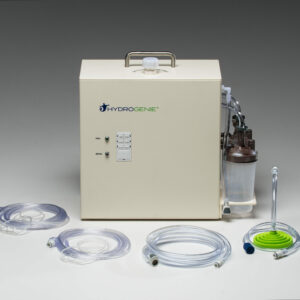
The HydroGenie offers an alternative system design with similar Brown’s Gas technology capabilities. Both systems employ alkaline electrolysis that maintains permanent output capabilities with simple periodic maintenance—a significant advantage over membrane-based systems that experience inevitable performance degradation over time.

Key features to consider when selecting a hydrogen generation system include:

Output capacity: Higher flow rates enable more flexible application
Hydrogen concentration: Systems should produce therapeutic concentrations
Safety features: Over-pressure protection, automatic shutoff, and other safeguards
Versatility: Multiple delivery methods from a single device increase utility
Durability: Long-term reliability and minimal maintenance requirements
Quality control: Manufacturing standards and testing protocols

Supporting Accessories and Applications

The Stainless Infuser and Infusion Stone accessories expand hydrogen application possibilities. These tools enable patients to infuse various beverages with molecular hydrogen or create hydrogen-rich water in different container types, providing flexibility for diverse usage scenarios. The rapid generation time (approximately 5-7 minutes for a full bottle) accommodates immediate consumption needs.

Additional accessories that enhance hydrogen therapy implementation include:

Nasal cannulas for comfortable extended inhalation therapy
Face masks for higher-concentration inhalation sessions
Application cups for localized topical treatment
Deep cleaning kits like the H2 Impact Deep Cleaning Kit for system maintenance

Integration into Daily Routines

For cancer patients incorporating hydrogen therapy into their treatment regimen, consistency and adherence are important for optimal outcomes. Practical strategies for integration include:

For Hydrogen Water Consumption:
– Prepare hydrogen-rich water in advance for consumption throughout the day
– Consume water within a reasonable timeframe as hydrogen concentration decreases over time
– Consider drinking hydrogen water before, during, and after meals
– Maintain hydration while being mindful of fluid restriction if applicable

For Inhalation Therapy:
– Establish a regular schedule (e.g., morning and evening sessions) for consistency
– Create a comfortable, relaxing environment for inhalation sessions
– Use time productively by reading, watching television, or engaging in other sedentary activities
– Monitor for any changes in symptoms or wellbeing

Safety Considerations:
– Follow manufacturer guidelines for equipment use and maintenance
– Ensure adequate ventilation when using hydrogen gas generation equipment
– Keep hydrogen generators away from open flames or ignition sources
– Perform regular maintenance and cleaning as recommended
– Consult with healthcare providers about integration with other treatments

For more detailed guidance on equipment use and protocols, patients should consult comprehensive usage instructions and work with knowledgeable healthcare providers familiar with hydrogen therapy applications.

Patient Experiences and Real-World Applications

The clinical research data is complemented by numerous patient testimonials documenting personal experiences with hydrogen therapy. While anecdotal reports cannot replace rigorous clinical trials, they provide valuable insights into real-world application, tolerability, and perceived benefits.

Patients with various cancer types have reported benefits including:
– Improved energy levels and reduced fatigue
– Better appetite and maintenance of body weight
– Enhanced sense of wellbeing and quality of life
– Reduced treatment-related side effects
– Better tolerance of chemotherapy and radiation therapy
– Maintenance of normal activities of daily living

For those interested in learning from others’ experiences, patient testimonials provide diverse perspectives on incorporating hydrogen therapy into cancer management strategies.

Conclusion: Molecular Hydrogen as a Promising Complementary Cancer Therapy

Molecular hydrogen has emerged as a scientifically intriguing and clinically promising agent in cancer management. The convergence of evidence from in vitro studies, animal models, and clinical trials paints a picture of a therapeutic modality with multiple mechanisms of action, broad applicability across cancer types, excellent safety profile, and potential to enhance conventional cancer treatments while reducing their toxicities.[1][5][6]

The molecular mechanisms underlying hydrogen’s anti-cancer effects are increasingly well-characterized. As a selective antioxidant, hydrogen neutralizes the most harmful reactive oxygen species while preserving beneficial oxidative signaling.[1][14] Its anti-inflammatory properties help normalize the tumor microenvironment, potentially reducing conditions that support cancer progression.[5] Hydrogen’s ability to modulate cellular signaling pathways—including the AKT/SCD1 axis in colorectal cancer and metabolic reprogramming in glioma stem cells—provides direct anti-proliferative and differentiation-inducing effects.[3][4][15]

Perhaps most exciting are hydrogen’s immunomodulatory properties. The restoration of exhausted CD8+ T cells and enhancement of checkpoint inhibitor responses suggest hydrogen therapy may synergize particularly well with the rapidly expanding armamentarium of cancer immunotherapies.[16][17] As the oncology field increasingly recognizes the importance of the immune system in cancer control, interventions that bolster anti-tumor immunity while reducing immunosuppressive oxidative stress and inflammation warrant serious consideration.

The clinical evidence, while still evolving, provides compelling support for hydrogen’s therapeutic utility. The landmark real-world survey of 82 advanced cancer patients demonstrated meaningful improvements in quality of life, physical performance status, tumor marker responses, and disease control rates—all with an excellent safety profile.[2] Supporting studies have corroborated these findings and extended them to include benefits in reducing treatment-related toxicities and enhancing conventional therapy efficacy.[8][9][10]

Several key attributes position hydrogen therapy as a valuable addition to the cancer management toolkit. For a comprehensive overview, see our guide on the 10 benefits of hydrogen in cancer therapy:

Accessibility and Ease of Use: Unlike many advanced cancer therapies requiring specialized administration in clinical settings, hydrogen therapy can be self-administered at home using portable generation devices. This accessibility may be particularly valuable for patients in remote areas or those with limited access to comprehensive cancer centers.

Affordability: Compared to many targeted therapies and immunotherapies—which can cost tens or even hundreds of thousands of dollars annually—hydrogen therapy represents a relatively low-cost intervention. After the initial investment in a quality hydrogen generation system, ongoing costs are minimal, primarily involving electricity and occasional maintenance.

Compatibility with Existing Treatments: Hydrogen therapy does not require patients to forgo or delay conventional cancer treatments. Evidence suggests it can be safely combined with chemotherapy, radiation therapy, surgery, and immunotherapy, potentially enhancing their efficacy while reducing toxicities.[2][8][9]

Quality of Life Focus: Even when cure is not achievable, improving quality of life represents a critical treatment goal for cancer patients. Hydrogen therapy has consistently demonstrated benefits in symptom management, energy levels, and overall wellbeing—outcomes that matter profoundly to patients living with cancer.[2]

Minimal Adverse Effects: The excellent safety profile distinguishes hydrogen therapy from many cancer treatments. The absence of significant toxicities makes it appropriate even for patients with limited physiological reserve who may not tolerate conventional treatments well.[2][7]

Important caveats and limitations must be acknowledged. The clinical evidence base, while growing, remains limited in size and scope. Most studies have been observational or involved small patient numbers. Large-scale randomized controlled trials—the gold standard for establishing treatment efficacy—are needed to definitively establish hydrogen’s role in cancer management.[8] Response rates vary considerably across cancer types, and predictive biomarkers have not been established to identify which patients are most likely to benefit.[2]

Additionally, hydrogen therapy should not be viewed as a replacement for conventional evidence-based cancer treatments. Rather, it should be considered as a complementary approach that may enhance treatment outcomes and quality of life when used alongside—not instead of—proven therapies. Patients considering hydrogen therapy should discuss this option with their oncology care teams to ensure coordinated, comprehensive cancer management.

The path forward requires continued research across multiple fronts: rigorous clinical trials to establish efficacy across diverse cancer types and stages; mechanistic studies to fully elucidate hydrogen’s effects on cancer biology, immune function, and treatment interactions; standardization of delivery methods, dosing protocols, and quality control measures; and regulatory frameworks to ensure patient safety while facilitating appropriate access to hydrogen therapy.

For patients, healthcare providers, and researchers committed to improving cancer outcomes, molecular hydrogen represents a promising area worthy of continued investigation and consideration. Its unique combination of broad mechanistic activity, excellent safety profile, practical accessibility, and growing evidence base positions it as a valuable tool in the ongoing effort to transform cancer from an invariably fatal disease into a manageable condition compatible with long, high-quality life.

As research continues to advance and clinical experience accumulates, the role of molecular hydrogen in comprehensive cancer care will become increasingly clear. For now, the available evidence supports its consideration as a complementary intervention, particularly for patients seeking to enhance treatment tolerance, reduce side effects, and improve quality of life during their cancer journey.

For those interested in exploring molecular hydrogen therapy as part of their cancer management strategy, accessing professional-grade equipment from trusted sources is essential. The hydrogen generation systems offered by HydroGenie provide the quality, safety, and versatility needed for therapeutic applications. Additional information about molecular hydrogen’s broader health applications can be found on the research studies page, which provides access to peer-reviewed scientific literature across various medical conditions.

The journey of molecular hydrogen from a simple chemical element to a promising therapeutic agent reflects the ongoing evolution of medical science—where careful observation, rigorous investigation, and open-minded inquiry can reveal unexpected therapeutic opportunities. As we continue to unravel the complexities of cancer biology and treatment, molecular hydrogen stands as an example of how simple, safe, and accessible interventions may complement more complex therapies to improve patient outcomes and enhance quality of life during one of life’s most challenging experiences.

References

  1. Zhou, W., Zhang, J., Chen, W., Wang, M., & Miao, C. (2024). Prospects of molecular hydrogen in cancer prevention and treatment. Journal of Cancer Research and Clinical Oncology, 150(4), 170. https://doi.org/10.1007/s00432-024-05685-7
  2. Chen, J. B., Kong, X. F., Lv, Y. Y., Qin, S. C., Sun, X. J., Mu, F., Lu, T. Y., & Xu, K. C. (2019). “Real world survey” of hydrogen-controlled cancer: A follow-up report of 82 advanced cancer patients. Medical Gas Research, 9(3), 115-121. https://doi.org/10.4103/2045-9912.266985
  3. Zhang, X., Tao, G., Zhao, Y., Xing, S., Jiang, J., Liu, B., & Qin, S. (2022). Molecular hydrogen inhibits colorectal cancer growth via the AKT/SCD1 signaling pathway. BioMed Research International, 2022, 8024452. https://doi.org/10.1155/2022/8024452
  4. Liu, M. Y., Xie, F., Zhang, Y., Wang, T. T., Ma, S. N., Zhao, P. X., Zhang, X., LeBaron, T. W., Yan, X. L., & Ma, X. M. (2019). Molecular hydrogen suppresses glioblastoma growth via inducing the glioma stem-like cell differentiation. Stem Cell Research & Therapy, 10(1), 145. https://doi.org/10.1186/s13287-019-1241-x
  5. Zhou, W., Zhang, J., Chen, W., Wang, M., & Miao, C. (2024). Prospects of molecular hydrogen in cancer prevention and treatment. Journal of Cancer Research and Clinical Oncology, 150(4), 170. https://doi.org/10.1007/s00432-024-05685-7
  6. Chen, J. B., Kong, X. F., Lv, Y. Y., Qin, S. C., Sun, X. J., & Xu, K. C. (2020). A narrative review of hydrogen oncology: From real world survey to real world evidence. Medical Gas Research, 10(3), 127-133. https://doi.org/10.4103/2045-9912.304221
  7. Dhillon, G., Buddhavarapu, V., Grewal, H., Sharma, P., Verma, R. K., Munjal, R., Devadoss, R., & Kashyap, R. (2024). Molecular hydrogen: An emerging therapeutic gas for acute and critical care medicine. International Journal of Molecular Sciences, 25(2), 973. https://doi.org/10.3390/ijms25020973
  8. Mohd Noor, M. N. Z., Alauddin, A. S., Wong, Y. H., Looi, C. Y., Wong, E. H., Madhavan, P., & Yeong, C. H. (2023). A systematic review of molecular hydrogen therapy in cancer management. Asian Pacific Journal of Cancer Prevention, 24(1), 37-47. https://doi.org/10.31557/APJCP.2023.24.1.37
  9. Kuo, D. Y., Wang, Y. C., Chou, P. H., Wu, Y. C., Hsu, L. C., Ho, J. Y., Wu, Y. J., & Chen, H. W. (2024). Therapeutic potential of hydrogen as a radioprotective agent for the prevention of radiation dermatitis. Antioxidants, 13(12), 1475. https://doi.org/10.3390/antiox13121475
  10. Kang, K. M., Kang, Y. N., Choi, I. B., Gu, Y., Kawamura, T., Toyoda, Y., & Nakao, A. (2011). Effects of drinking hydrogen-rich water on the quality of life of patients treated with radiotherapy for liver tumors. Medical Gas Research, 1(1), 11. https://doi.org/10.1186/2045-9912-1-11
  11. Ohta, S. (2015). Molecular hydrogen as a novel antioxidant: Overview of the advantages of hydrogen for medical applications. Methods in Enzymology, 555, 289-317. https://doi.org/10.1016/bs.mie.2014.11.038
  12. Rochette, L., Dogon, G., Zeller, M., Cottin, Y., & Vergely, C. (2023). Antitumoral activity of molecular hydrogen and proton in the treatment of glioblastoma: An atypical pharmacology? Brain Sciences, 13(8), 1168. https://doi.org/10.3390/brainsci13081168
  13. Dole, M., Wilson, F. R., & Fife, W. P. (1975). Hyperbaric hydrogen therapy: A possible treatment for cancer. Science, 190(4210), 152-154. https://doi.org/10.1126/science.1166304
  14. Ohsawa, I., Ishikawa, M., Takahashi, K., Watanabe, M., Nishimaki, K., Yamagata, K., Katsura, K., Katayama, Y., Asoh, S., & Ohta, S. (2007). Hydrogen acts as a therapeutic antioxidant by selectively reducing cytotoxic oxygen radicals. Nature Medicine, 13(6), 688-694. https://doi.org/10.1038/nm1577
  15. Liu, M. Y., Xie, F., Zhang, Y., Wang, T. T., Ma, S. N., Zhao, P. X., Zhang, X., LeBaron, T. W., Yan, X. L., & Ma, X. M. (2020). Molecular hydrogen induces metabolic reprogramming to promote differentiation of glioma stem cells. Research Square. https://doi.org/10.21203/rs.2.23620/v1
  16. Akagi, J., & Baba, H. (2018). Hydrogen gas restores exhausted CD8+ T cells in patients with advanced colorectal cancer to improve prognosis. Oncology Reports, 41(1), 301-311. https://doi.org/10.3892/or.2018.6841
  17. Akagi, J., & Baba, H. (2020). Hydrogen gas activates coenzyme Q10 to restore exhausted CD8+ T cells, especially PD-1+TIM-3+terminal CD8+ T cells, leading to better nivolumab outcomes in patients with lung cancer. Oncology Letters, 20(5), 258. https://doi.org/10.3892/ol.2020.12121
  18. Saitoh, Y., Okayasu, H., Xiao, L., Harata, Y., & Miwa, N. (2008). Neutral pH hydrogen-enriched electrolyzed water achieves tumor-preferential clonal growth inhibition over normal cells and tumor invasion inhibition concurrently with intracellular oxidant repression. Oncology Research, 17(6), 247-255. https://doi.org/10.3727/096504008786991620
  19. Lathia, J. D., Mack, S. C., Mulkearns-Hubert, E. E., Valentim, C. L., & Rich, J. N. (2015). Cancer stem cells in glioblastoma. Genes & Development, 29(12), 1203-1217. https://doi.org/10.1101/gad.261982.115
  20. Chen, J. B., Kong, X. F., Mu, F., Lu, T. Y., Lu, Y. Y., & Xu, K. C. (2020). Hydrogen therapy can be used to control tumor progression and alleviate the adverse events of medications in patients with advanced non-small cell lung cancer. Medical Gas Research, 10(2), 75-80. https://doi.org/10.4103/2045-9912.285560
  21. Shang, L., Xie, F., Li, J., Zhang, Y., Liu, M., Zhao, P., Ma, X., Lebaron, T., & Yan, X. (2018). Therapeutic potential of molecular hydrogen in ovarian cancer. Translational Cancer Research, 7(4), 988-995. https://doi.org/10.21037/tcr.2018.07.09
  22. Runtuwene, J., Amitani, H., Amitani, M., Asakawa, A., Cheng, K. C., & Inui, A. (2015). Hydrogen-water enhances 5-fluorouracil-induced inhibition of colon cancer. PeerJ, 3, e859. https://doi.org/10.7717/peerj.859
  23. Chitapanarux, I., Onchan, W., Chakrabandhu, S., Muangwong, P., Autsavapromporn, N., Ariyanon, T., Akagi, J., & Mizoo, A. (2024). Pilot feasibility and safety study of hydrogen gas inhalation in locally advanced head and neck cancer patients. OncoTargets and Therapy, 17, 863-870. https://doi.org/10.2147/OTT.S478613
  24. Wu, F., Liang, T., Liu, Y., Wang, C., Sun, Y., & Wang, B. (2024). Effects of perioperative hydrogen inhalation on brain edema and prognosis in patients with glioma: A single-center, randomized controlled study. Neurosurgery. [Epub ahead of print]