Groundbreaking research published in PLOS One has revealed that hydrogen-enriched water offers significant benefits for individuals with type 1 diabetes. [1] Using male mice with the condition, researchers tested molecular hydrogen as an innovative therapeutic tool to help regulate blood sugar levels through a mechanism that mimics insulin’s essential function in glucose metabolism.
Multiple scientific studies have demonstrated that molecular hydrogen therapy provides therapeutic benefits for both type 1 and type 2 diabetes. [2] Previous research has shown how molecular hydrogen assists those struggling with issues related to obesity and type 2 diabetes, while the landmark study we examine in depth reveals that molecular hydrogen water successfully stimulated Glut4 translocation and regulated blood sugar levels in type 1 diabetes animal models.
Type 1 diabetes represents a complex autoimmune condition where the pancreas becomes unable to produce insulin, a hormone absolutely critical for life. While symptoms of type 1 diabetes closely resemble the more prevalent type 2 diabetes, fundamental differences exist between these two metabolic disorders. Type 1 diabetes, often referred to as “juvenile diabetes,” typically manifests during childhood or adolescence, though it can develop at any age. Unlike type 2 diabetes, which primarily results from lifestyle factors such as poor dietary choices, lack of physical activity, and obesity, type 1 diabetes stems from a malfunctioning immune system.
The body’s immune system normally functions as a sophisticated defense network, identifying and eliminating harmful invaders like bacteria, viruses, and other pathogens. However, in type 1 diabetes, this protective system becomes dysregulated and mistakenly attacks the body’s own healthy cells. Specifically, the immune system targets and destroys the insulin-producing beta cells located in the pancreatic islets of Langerhans, ultimately preventing the pancreas from producing sufficient insulin to maintain normal glucose metabolism. [3]
Insulin serves as the master regulator of glucose metabolism, converting the sugar we ingest from food and beverages into usable energy that powers every cell in our bodies. Beyond this energy conversion function, insulin maintains the delicate balance of blood sugar levels, preventing them from rising dangerously high (hyperglycemia) or falling too low (hypoglycemia). Both extremes can cause serious health complications and, in severe cases, become life-threatening.
Because type 1 diabetes prevents adequate insulin production, individuals with this condition experience persistently elevated blood glucose levels. This chronic hyperglycemic state, when left untreated or poorly managed, triggers a cascade of serious health complications affecting virtually every organ system in the body.
Type 1 diabetes manifests through several characteristic warning signs that often develop rapidly. Common symptoms include:
Without proper treatment, type 1 diabetes severely affects major organ systems including the cardiovascular system, kidneys, nervous system, and eyes. Moreover, inadequate management can lead to life-threatening complications such as diabetic ketoacidosis. People diagnosed with type 1 diabetes must take insulin every single day, typically through multiple daily injections or continuous insulin pump therapy.
Complementary management strategies include maintaining a healthy, balanced diet rich in complex carbohydrates, fiber, and lean proteins, coupled with regular physical exercise to improve insulin sensitivity. Based on emerging research, drinking hydrogen-rich water offers promising complementary benefits that may enhance conventional diabetes management approaches. [1]
People with type 1 diabetes experience substantial oxidative stress as their healthy cells face constant metabolic assault. Oxidative stress occurs when there’s an imbalance between the production of reactive oxygen species (ROS) and the body’s ability to neutralize them with antioxidants. [4] This state of cellular distress has been identified as a primary cause or major contributor to virtually every known human disease, making it a critical therapeutic target.
Free radicals are highly unstable molecules that drive oxidative stress through their interactions with cellular components. These molecules contain unpaired electrons, making them extremely reactive as electrons naturally exist in pairs for stability. To achieve stability, free radicals aggressively attempt to steal electrons from neighboring molecules, including proteins, lipids, and DNA. [5] This electron theft initiates a destructive chain reaction leading to widespread cell damage, dysfunction, and ultimately cell death.
Groundbreaking findings from the PLOS One study demonstrated that molecular hydrogen exhibits functional properties remarkably similar to insulin. The research showed that hydrogen-enriched water successfully managed blood glucose levels while simultaneously reducing oxidative stress in diabetic animal models. [1] This dual mechanism makes molecular hydrogen an exceptionally promising complementary therapy for diabetes management.
One of the most significant discoveries was that molecular hydrogen promoted the translocation of glucose transporter type 4 (Glut4) to cell membranes in skeletal muscle. Glut4 represents the primary insulin-responsive glucose transporter in muscle and adipose tissue, playing a crucial role in removing glucose from the bloodstream. [6] The research revealed that hydrogen water activated key cellular signaling pathways including phosphatidylinositol-3-OH kinase (PI3K), protein kinase C (PKC), and AMP-activated protein kinase (AMPK), all of which regulate Glut4 translocation and glucose uptake. [1]
This mechanism is particularly important because approximately 80% of glucose disposal occurs in skeletal muscle after meals, making it the primary site for glucose clearance from the bloodstream. [6] By enhancing Glut4 translocation independently of insulin, molecular hydrogen may help bypass some of the glucose uptake impairments seen in diabetes.
Molecular hydrogen functions as a selective antioxidant with a unique mechanism of action. When H2 encounters harmful free radicals, it donates a hydrogen atom to stabilize them. This donation transforms destructive hydroxyl radicals (•OH) and peroxynitrite (ONOO−) into harmless water molecules (H2O), effectively neutralizing the oxidative threat without interfering with beneficial signaling molecules. [7] Unlike conventional antioxidants that can sometimes become pro-oxidants at high concentrations, molecular hydrogen’s selective nature makes it remarkably safe and effective.
Molecular hydrogen therapy involves administering therapeutic amounts of hydrogen gas (H2) to promote health and treat various medical conditions. While hydrogen has long been considered physiologically inert, extensive research over the past two decades has revealed its powerful antioxidant, anti-inflammatory, and cytoprotective properties. [2] Over 1,000 peer-reviewed scientific studies have explored molecular hydrogen’s therapeutic potential across more than 170 different disease models, establishing it as one of the most researched emerging therapies in preventive and regenerative medicine.
Molecular hydrogen can be delivered through several effective routes:
Hydrogen-Rich Water: The most accessible and popular method involves drinking water saturated with molecular hydrogen. This approach allows for easy integration into daily routines and provides systemic benefits through absorption in the gastrointestinal tract. Hydrogen water typically contains 0.5 to 1.6 mg/L of dissolved hydrogen.
Hydrogen Gas Inhalation: Inhaling hydrogen gas through a nasal cannula or mask delivers molecular hydrogen directly to the bloodstream via the lungs, providing rapid systemic distribution. Clinical studies have used hydrogen concentrations ranging from 1-4% mixed with ambient air, which is well below the flammability threshold and completely safe for therapeutic use.
Hydrogen Saline Injection: In clinical settings, hydrogen-saturated saline solution can be administered intravenously, providing precise control over dosing and immediate availability to tissues.
Brown’s gas, also known as oxyhydrogen or HHO gas, represents a unique mixture containing approximately 66% molecular hydrogen and 33% molecular oxygen, produced through water electrolysis. [8] This stoichiometric gas mixture differs from pure hydrogen therapy in that it includes an oxygen component along with what researchers term “electrically expanded water” (ExW), an energetic form of water with unique properties.
Brown’s gas therapy may offer enhanced therapeutic effects compared to pure hydrogen alone. The presence of 33% oxygen in the mixture means that inhalation of Brown’s gas at typical therapeutic flow rates actually increases oxygen intake compared to breathing ambient air alone. [8] Some researchers hypothesize that the ExW component may provide additional antioxidant and anti-inflammatory benefits beyond those of molecular hydrogen alone, though more research is needed to fully characterize these effects.
Studies have suggested that Brown’s gas demonstrates potent antioxidant, anti-inflammatory, and potentially anti-tumor properties, making it a promising approach for managing chronic diseases including diabetes. [9] The gas can be produced on-demand using water electrolysis, making it a cost-effective and flexible therapeutic option for both clinical and home use.
The landmark study in PLOS One used streptozotocin-induced type 1 diabetic mice to investigate hydrogen water’s effects. Mice were divided into groups receiving either regular water or hydrogen water at varying concentrations for 18 weeks. Results demonstrated that groups receiving hydrogen water showed significant improvements in glycemic control, with reduced glycated albumin levels—a marker of long-term glucose exposure. [1] The area under the curve during intraperitoneal glucose tolerance tests was significantly decreased in hydrogen water groups, indicating improved glucose handling.
Furthermore, the research revealed that hydrogen water significantly increased Glut4 expression in skeletal muscle membrane fractions, providing a molecular mechanism for the observed improvements in glucose regulation. [1] Body weight gain and food intake also showed beneficial trends in the hydrogen water groups, suggesting improved metabolic efficiency.
Research on type 2 diabetes has shown equally promising results. A groundbreaking study published in Obesity demonstrated that molecular hydrogen improved glycemic control in db/db mice, a genetic model of type 2 diabetes and obesity. The research revealed that hydrogen water induced hepatic fibroblast growth factor 21 (FGF21) expression and stimulated energy metabolism, leading to reduced blood glucose, insulin, and triglyceride levels. [10]
Human clinical trials have further validated these findings. A randomized controlled trial involving individuals with metabolic syndrome found that consuming high-concentration hydrogen-rich water for 24 weeks significantly improved body composition, decreased LDL cholesterol, increased HDL cholesterol, and reduced inflammatory biomarkers. [11] Participants also showed improvements in glucose metabolism and markers of oxidative stress.
Another clinical study examining patients with type 2 diabetes or impaired glucose tolerance found that supplementation with hydrogen-rich water for 8 weeks improved lipid and glucose metabolism. The study reported decreased total cholesterol, LDL cholesterol, and improved insulin sensitivity in hydrogen water consumers compared to controls. [12]
Molecular hydrogen functions as a selective antioxidant, specifically targeting the most cytotoxic reactive oxygen species—hydroxyl radicals and peroxynitrite—while preserving beneficial signaling molecules like hydrogen peroxide. [7] This selectivity represents a major advantage over conventional antioxidants, which often indiscriminately neutralize both harmful and beneficial reactive species.
Studies have demonstrated that hydrogen water consumption increases biological antioxidant potential (BAP) while reducing markers of oxidative stress such as derivatives of reactive oxygen metabolites (d-ROMs) and thiobarbituric acid reactive substances (TBARS). [13] In healthy adults, a randomized double-blind controlled trial found that consuming 1.5 liters of hydrogen water daily for 4 weeks significantly reduced peripheral blood cell apoptosis, suggesting protective effects against oxidative damage. [14]
Chronic inflammation plays a central role in diabetes pathogenesis and the development of diabetic complications. Molecular hydrogen has demonstrated powerful anti-inflammatory effects through multiple mechanisms. Research shows that H2 modulates inflammatory signaling pathways, particularly by inhibiting nuclear factor kappa B (NF-κB) activation and reducing the production of pro-inflammatory cytokines including tumor necrosis factor-alpha (TNF-α), interleukin-6 (IL-6), and interleukin-1 beta (IL-1β). [15]
Additionally, hydrogen activates the nuclear factor erythroid 2-related factor 2 (Nrf2) pathway, which upregulates expression of antioxidant enzymes such as superoxide dismutase (SOD), catalase, and glutathione peroxidase. [16] This dual action—suppressing pro-inflammatory pathways while enhancing antioxidant defenses—makes molecular hydrogen particularly effective at breaking the vicious cycle of inflammation and oxidative stress that characterizes diabetes.
Beyond its antioxidant and anti-inflammatory effects, molecular hydrogen positively influences multiple aspects of cellular metabolism. Research has shown that H2 improves mitochondrial function, the cellular powerhouses responsible for energy production. [2] In diabetic animal models, hydrogen therapy increased hepatic glycogen synthesis, enhanced glucose utilization in the liver, and improved lipid metabolism by reducing hepatic fat accumulation.
Furthermore, hydrogen has been shown to modulate adipocytokine secretion, promoting favorable changes in hormones that regulate metabolism and inflammation. The induction of FGF21 by hydrogen is particularly noteworthy, as this hormone plays crucial roles in glucose and lipid homeostasis, insulin sensitivity, and energy expenditure. [10]
Multiple studies have documented significant improvements in glycemic control following molecular hydrogen therapy. Research consistently shows reductions in fasting blood glucose levels, improved glucose tolerance test results, and decreased glycated hemoglobin (HbA1c) or glycated albumin levels. [1] These markers reflect both acute and long-term glucose regulation, suggesting that molecular hydrogen provides sustained metabolic benefits rather than merely temporary improvements.
The mechanisms underlying these improvements appear multifaceted, involving enhanced glucose uptake into skeletal muscle via Glut4 translocation, improved insulin signaling pathway activation, and enhanced glucose metabolism at the cellular level. By activating AMPK—often called the body’s “metabolic master switch”—hydrogen may improve cellular energy sensing and glucose homeostasis even in the absence of adequate insulin. [1]
Dyslipidemia commonly accompanies diabetes and significantly increases cardiovascular disease risk. Clinical studies have demonstrated that molecular hydrogen therapy favorably modulates lipid profiles. Research shows consistent reductions in total cholesterol, LDL cholesterol, and triglycerides, while increasing beneficial HDL cholesterol. [11,12]
These lipid-modifying effects occur alongside improvements in other metabolic markers. Studies report reduced uric acid levels, improved markers of liver function, and decreased visceral fat accumulation. [2] The comprehensive nature of these metabolic improvements suggests that molecular hydrogen addresses multiple aspects of metabolic syndrome simultaneously, potentially providing more holistic benefits than therapies targeting single pathways.
While molecular hydrogen therapy demonstrates an excellent safety profile with minimal reported adverse effects, certain individuals should exercise caution. Those with confirmed anaerobic bacterial overgrowth, such as small intestinal bacterial overgrowth (SIBO) or infections with Clostridium difficile, should consult healthcare providers before beginning hydrogen therapy. [17] Although hydrogen selectively targets harmful reactive oxygen species, it theoretically might support growth of certain hydrogen-metabolizing bacteria.
Individuals with metal implants, particularly recently placed prosthetics, should discuss hydrogen therapy with their physicians. While research on this interaction remains limited, some studies suggest hydrogen gas might alter surface properties of certain metals. [17] However, once implants have been fully integrated and accepted by the body, hydrogen therapy may be appropriate.
Pregnant or breastfeeding women should consult healthcare providers before starting any new therapeutic intervention, including molecular hydrogen therapy. While no adverse effects have been reported, comprehensive safety data for these populations remains limited.
Individuals taking medications requiring regular dose adjustments—such as insulin, oral hypoglycemic agents, or blood thinners—should closely monitor their response when adding molecular hydrogen therapy. The blood glucose-lowering effects of hydrogen water might necessitate adjustments to diabetes medications to prevent hypoglycemia. Regular blood glucose monitoring and communication with healthcare providers is essential during the initial phases of hydrogen therapy implementation.
Molecular hydrogen therapy should be viewed as a complementary approach that enhances rather than replaces conventional diabetes management. The beauty of hydrogen therapy lies in its compatibility with existing treatments—it does not interfere with insulin therapy, oral medications, or lifestyle interventions. Instead, it may amplify the effectiveness of these standard approaches through its multi-mechanistic effects on metabolism, inflammation, and oxidative stress. [2]
Research suggests that combining molecular hydrogen with exercise may provide synergistic benefits. Both interventions activate AMPK and promote Glut4 translocation through complementary pathways, potentially enhancing glucose uptake more than either approach alone. [1] Similarly, hydrogen’s anti-inflammatory effects may enhance the benefits of anti-diabetic medications while potentially reducing medication-related side effects.
When incorporating molecular hydrogen therapy into a diabetes management plan, patients should maintain all prescribed treatments while monitoring glucose levels closely. Gradual integration allows for careful assessment of individual response and necessary medication adjustments. Healthcare providers can help optimize the timing and dosing of hydrogen therapy to maximize benefits while ensuring safety.
A comprehensive diabetes management plan incorporating hydrogen therapy might include regular insulin or medication administration, blood glucose monitoring, healthy eating patterns, regular physical activity, stress management, and daily consumption of hydrogen-rich water or periodic hydrogen gas inhalation sessions. This integrated approach addresses diabetes from multiple angles, potentially achieving better outcomes than any single intervention alone.
For those interested in trying molecular hydrogen therapy, several practical approaches exist. Hydrogen-rich water can be produced using portable hydrogen water generators, hydrogen-generating tablets, or advanced systems like the HydroGenie. Most studies have used doses ranging from 0.5 to 1.6 mg/L of dissolved hydrogen, consumed in amounts of 300-600 mL multiple times daily or 1-2 liters total per day.
Hydrogen gas inhalation typically involves sessions of 30-60 minutes using a nasal cannula connected to a hydrogen generator. The recommended flow rate is generally 150-300 mL/minute of pure hydrogen or 0.5-2 liters/minute of Brown’s gas (oxyhydrogen mixture). Sessions can be conducted once or twice daily, often while reading, watching television, or engaging in other sedentary activities.
For optimal results, consistency is key. Most studies showing significant benefits involved daily hydrogen consumption or inhalation for at least 4-8 weeks. Molecular hydrogen has a short half-life in the body, necessitating regular administration to maintain therapeutic levels.
Individuals using molecular hydrogen therapy should track relevant health markers to assess effectiveness. For diabetes management, this includes regular blood glucose monitoring, periodic HbA1c testing (typically every 3 months), and tracking diabetes symptoms such as thirst, urination frequency, energy levels, and wound healing.
Additional beneficial markers to monitor include body weight, blood pressure, lipid panels (cholesterol and triglycerides), and subjective measures of well-being such as energy levels, sleep quality, and overall vitality. Many users report improvements in these areas even before substantial changes appear in glucose control markers.
Keeping a health journal documenting daily hydrogen therapy use, glucose readings, medication doses, dietary intake, physical activity, and how you feel can help identify patterns and optimize your therapeutic approach. Share this information with healthcare providers to facilitate informed decisions about your diabetes management plan.
The field of molecular hydrogen research has expanded dramatically in recent years. Beyond diabetes, investigations have explored hydrogen’s potential in treating cardiovascular disease, neurodegenerative disorders, cancer, inflammatory conditions, and metabolic syndrome. [2] The breadth of conditions showing positive responses to hydrogen therapy suggests it targets fundamental pathological processes common to many diseases, particularly oxidative stress and inflammation.
Recent real-world studies of hydrogen inhalation therapy in type 2 diabetes patients have shown promising results, with improvements in fasting blood glucose, HbA1c, lipid profiles, and inflammatory markers after just 3 months of daily hydrogen inhalation. [18] These findings from clinical practice settings complement controlled research studies, suggesting that hydrogen therapy benefits translate from laboratory conditions to real-world applications.
Despite encouraging findings, several important questions remain. Large-scale, long-term randomized controlled trials specifically examining molecular hydrogen therapy in type 1 diabetes are needed to definitively establish efficacy, optimal dosing strategies, and long-term safety. Most existing research has focused on type 2 diabetes or used animal models, leaving gaps in our understanding of hydrogen’s effects specifically in type 1 diabetes populations.
Future research should investigate whether certain diabetes patient subgroups respond better to hydrogen therapy than others, optimal timing and duration of treatment, comparative effectiveness of different delivery methods (water vs. inhalation vs. saline), and potential for hydrogen therapy to prevent diabetes-related complications such as diabetic neuropathy, retinopathy, and nephropathy.
Additionally, mechanistic studies exploring the molecular targets of hydrogen, its effects on gene expression, epigenetic modifications, and interactions with the gut microbiome will deepen our understanding and potentially reveal new therapeutic applications. Understanding why hydrogen exhibits selective antioxidant properties and how it modulates multiple signaling pathways simultaneously remains an active area of investigation.
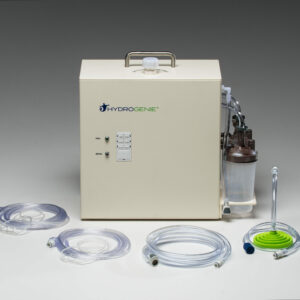
The HydroGenie molecular hydrogen system represents a cutting-edge approach to wellness, offering three distinct methods to receive the remarkable benefits of molecular hydrogen: drinking hydrogen-enriched water, inhaling molecular hydrogen gas, or direct topical application to areas of pain or inflammation. This versatility makes the HydroGenie ideal for comprehensive health support, including complementary diabetes management.
The HydroGenie’s advanced electrolysis technology produces high concentrations of therapeutic molecular hydrogen on demand. Whether you prefer the convenience of hydrogen water throughout the day or the efficiency of hydrogen gas inhalation sessions, the HydroGenie provides flexible options to fit your lifestyle and health goals.
Countless satisfied customers have reported transformative results using the HydroGenie, experiencing improvements in energy levels, reduced inflammation, better blood sugar control, and enhanced overall vitality. Want to experience these benefits for yourself?
First, explore what our happy customers have to say about their miracle-life results using the HydroGenie. Then, take the next step toward better health by ordering your very own HydroGenie today and discover how molecular hydrogen can support your journey to optimal wellness.