How Hydrogen Water Helps Patients with Rheumatoid Arthritis

woman holding rheumatoid arthritis hand right before applying hydrogen water


How Hydrogen Water Helps Patients with Rheumatoid Arthritis

Living with rheumatoid arthritis means navigating daily challenges that extend far beyond joint pain. The chronic inflammation characteristic of this autoimmune condition affects millions worldwide, often leaving conventional treatments wanting when it comes to managing oxidative stress—a key driver of disease progression. Recent clinical research has illuminated an unexpected ally in the fight against rheumatoid arthritis: molecular hydrogen delivered through hydrogen-enriched water. This therapeutic approach targets the fundamental mechanisms underlying inflammatory joint disease, offering patients with rheumatoid arthritis a complementary strategy that addresses both symptoms and cellular-level damage without the side effects commonly associated with traditional pharmaceuticals.

Key Takeaways
Aspect Key Finding
Disease Activity Reduction Clinical studies show hydrogen-rich water significantly reduces DAS28 scores, with some early-stage patients achieving complete symptom remission
Oxidative Stress Impact Molecular hydrogen acts as a selective hydroxyl radical scavenger, reducing oxidative damage markers by 14.3% on average
Inflammation Control Hydrogen therapy inhibits pro-inflammatory pathways including NF-κB and reduces inflammatory cytokines like IL-6
Safety Profile Molecular hydrogen demonstrates excellent safety with no reported adverse effects, even at high concentrations
Complementary Therapy Hydrogen water can complement conventional RA therapy without interfering with standard medications

Understanding Rheumatoid Arthritis and Its Hidden Driver

Rheumatoid arthritis stands as one of the most common autoimmune disorders, affecting approximately 1% of the global population with a marked preference for women, who develop the condition three to four times more frequently than men.[1] Unlike osteoarthritis, which results from mechanical wear and tear, rheumatoid arthritis is a chronic inflammatory disease characterized by the progressive destruction of joint structures, including bone and cartilage. The visible manifestations—painful, swollen joints that negatively affect healthspan—represent only the tip of the iceberg.

The disease typically presents with symmetrical polyarthritis, most commonly affecting the small joints of the hands and feet, though larger joints can also become involved. Common symptoms extend beyond joint pain and swelling to include systemic manifestations such as:

  • Persistent fatigue and malaise
  • Morning stiffness lasting more than 30 minutes
  • Loss of appetite and unintended weight loss
  • Low-grade fever
  • Extra-articular complications affecting the cardiovascular, pulmonary, and ocular systems

In the United States alone, approximately two million people live with rheumatoid arthritis, with an estimated 200,000 new diagnoses occurring annually. The economic and social burden extends well beyond these numbers, as the progressive nature of untreated disease leads to functional disability, reduced quality of life, and increased mortality risk—primarily from cardiovascular complications.

The Oxidative Stress Connection

While the precise etiology of rheumatoid arthritis remains incompletely understood, decades of research have established that reactive oxygen species (ROS) play a central role in disease pathogenesis.[2] These highly reactive molecules, particularly the hydroxyl radical (•OH), create a cascade of cellular damage that perpetuates chronic inflammation through multiple interconnected mechanisms.

Within the inflamed synovial tissue of affected joints, immune cells generate excessive quantities of ROS through several pathways, including the NADPH oxidase system in neutrophils and mitochondrial dysfunction in synovial fibroblasts.[3] This oxidative stress doesn’t merely accompany inflammation—it actively drives disease progression through three amplifying feedback loops:

Loop 1: The NF-κB-TNFα Positive Feedback – Reactive oxygen species activate nuclear factor kappa B (NF-κB), a master regulator of inflammatory gene expression. NF-κB then promotes production of tumor necrosis factor-alpha (TNFα), which in turn generates more ROS, creating a self-perpetuating cycle.[4]

Loop 2: Redox Sensing Amplification – The same ROS-NF-κB-TNFα pathway acts as a redox sensor, where even small increases in oxidative stress trigger disproportionate inflammatory responses.

Loop 3: Autoimmune Activation – Oxidative modifications of proteins create neo-antigens that may trigger or perpetuate the autoimmune response, feeding back into the first two loops to amplify systemic inflammation.[2]

Among the various reactive oxygen species, the hydroxyl radical stands out as particularly destructive. Unlike superoxide radicals, which cells can neutralize using superoxide dismutase enzymes, hydroxyl radicals lack a specific enzymatic scavenger, leaving them free to damage virtually any biological molecule they encounter—including DNA, proteins, and lipid membranes.

Molecular Hydrogen: A Selective Antioxidant with Unique Properties

Molecular hydrogen (H₂) represents a paradigm shift in therapeutic antioxidant strategies. First documented as a selective hydroxyl radical scavenger in 2007, molecular hydrogen has since demonstrated efficacy across more than 170 disease models and human conditions, ranging from ischemia-reperfusion injuries to metabolic disorders and chronic inflammatory diseases.[5]

Why Hydrogen-Rich Water Works Differently

Unlike traditional antioxidants such as vitamin C or vitamin E, which are relatively large molecules with limited cellular penetration, molecular hydrogen possesses several unique characteristics that make it ideally suited for addressing oxidative stress in rheumatoid arthritis:

Exceptional Bioavailability – As the smallest molecule in existence, H₂ rapidly diffuses across cell membranes and biological barriers, including the blood-brain barrier. This allows it to reach and protect even sequestered cellular compartments like mitochondria, where much of the pathological ROS production occurs.[6]

Selective Reactivity – Rather than indiscriminately neutralizing all reactive oxygen species, molecular hydrogen specifically targets the most cytotoxic species—hydroxyl radicals and peroxynitrite (ONOO⁻)—while preserving beneficial ROS involved in cell signaling and immune function.[7] This selectivity prevents the pro-oxidant effects sometimes observed with conventional antioxidants.

Safe Reduction Products – When hydrogen reacts with hydroxyl radicals, the chemical equation H₂ + •OH → H₂O + H• produces only water and a relatively harmless hydrogen radical, which quickly reacts with oxygen to form additional water. This contrasts sharply with many antioxidants that can become pro-oxidant radicals themselves after donating electrons.

No Upper Toxicity Limit – Clinical and experimental data demonstrate that molecular hydrogen exhibits no toxicity even at concentrations far exceeding therapeutic doses, making it exceptionally safe for long-term use.[8]

Beyond Direct Radical Scavenging

While the initial therapeutic mechanism proposed for molecular hydrogen focused on direct chemical neutralization of hydroxyl radicals, accumulating evidence suggests that H₂’s benefits extend well beyond simple radical scavenging. Recent research indicates that molecular hydrogen modulates multiple signaling pathways and gene expression patterns relevant to inflammation and cellular stress responses.[6]

These indirect mechanisms include:

  • Activation of the Nrf2-Keap1 pathway, upregulating endogenous antioxidant systems
  • Modulation of inflammatory signaling through effects on NF-κB, MAPK, and other pathways
  • Protection of mitochondrial function and membrane potential
  • Regulation of apoptosis and cellular stress responses
  • Modulation of immune cell function and cytokine production

This multi-targeted approach helps explain why molecular hydrogen demonstrates efficacy even after the gas itself has been cleared from the body, with benefits persisting through sustained changes in cellular signaling and gene expression.

Clinical Evidence: Hydrogen Water Reduces Rheumatoid Arthritis Symptoms

The therapeutic potential of hydrogen-enriched water for rheumatoid arthritis first emerged from a landmark 2012 pilot study published in Medical Gas Research, which established proof-of-concept for this approach in human patients with rheumatoid arthritis.[9]

The Pioneering 2012 Study

Twenty patients with rheumatoid arthritis participated in this open-label pilot trial designed to assess whether daily consumption of hydrogen-rich water could complement conventional therapy by reducing oxidative stress and disease activity. The study protocol required participants to drink 530 mL of water containing 4 to 5 parts per million (ppm) molecular hydrogen daily for four weeks, followed by a four-week washout period, then another four-week treatment period.

Disease Activity Assessment – Researchers employed the Disease Activity Score-28 (DAS28), a validated composite measure widely used in rheumatoid arthritis clinical trials and practice. The DAS28 integrates four components: tender joint count (28 joints), swollen joint count (28 joints), C-reactive protein levels (an inflammatory biomarker), and patient global assessment of disease activity. Scores above 5.1 indicate high disease activity, 3.2-5.1 represents moderate activity, 2.6-3.2 indicates low activity, and below 2.6 suggests clinical remission.

Oxidative Stress Measurement – The team quantified oxidative damage using urinary 8-hydroxydeoxyguanosine (8-OHdG), a well-established biomarker of oxidative DNA damage. Elevated 8-OHdG levels correlate with disease activity and joint destruction in rheumatoid arthritis patients.[9]

Remarkable Results in Disease Activity

The findings exceeded initial expectations. During the first four-week treatment period, mean DAS28 scores decreased significantly from 3.83 to 3.02 (p < 0.01), representing a clinically meaningful improvement in disease activity. Even more remarkably, after the washout period, both urinary 8-OHdG and mean DAS28 continued to decrease rather than returning to baseline levels, suggesting sustained benefits beyond the active treatment phase.

During the second four-week treatment period, DAS28 scores further declined from 2.83 to 2.26 (p < 0.01), pushing many participants into the low disease activity or remission range. Urinary 8-OHdG levels, which had been significantly reduced by 14.3% (p < 0.01) during the first treatment period, remained below baseline throughout the study.[9]

Complete Symptom Remission in Early-Stage Patients

Perhaps the most striking observation concerned the subset of five patients with early rheumatoid arthritis (disease duration less than 12 months) who tested negative for antibodies against cyclic citrullinated peptides (ACPAs). All five of these early-stage, ACPA-negative patients achieved clinical remission by the study’s conclusion, with four becoming completely symptom-free.[9]

This finding carries profound implications. ACPA-negative rheumatoid arthritis often presents diagnostic challenges, and these patients sometimes have different disease trajectories compared to seropositive individuals. The dramatic response in this subgroup suggests that molecular hydrogen therapy might be particularly beneficial when initiated early in the disease course, potentially before irreversible joint damage occurs.

Additional Clinical Evidence

Subsequent research has reinforced these initial findings through different study designs and delivery methods:

Intravenous Hydrogen-Saline Infusion – A randomized, double-blind, placebo-controlled trial evaluated intravenous infusion of hydrogen-dissolved saline (1 ppm H₂) in rheumatoid arthritis patients.[10] In the hydrogen-infused group, average DAS28 scores decreased from 5.18 ± 1.16 to 4.02 ± 1.25 immediately post-infusion and reached 3.74 ± 1.22 after four weeks. No significant DAS28 decrease occurred in the placebo group throughout the study period.

Additionally, interleukin-6 (IL-6) levels—a key pro-inflammatory cytokine—decreased by 37.3% in the hydrogen group compared to baseline after four weeks, while actually increasing by 33.6% in the placebo group. Matrix metalloproteinase-3 (MMP-3), an enzyme implicated in cartilage degradation, was significantly reduced by 19.2% in the hydrogen group while increasing by 16.9% in the placebo group.[10]

Application to Related Conditions – Clinical case reports have documented similar benefits for psoriasis-associated arthritis, another chronic inflammatory joint condition, with treatment using molecular hydrogen leading to improvement in both joint symptoms and skin lesions.[11]

Mechanisms of Action: How Hydrogen Water Alleviates Rheumatoid Arthritis

Understanding precisely how hydrogen-enriched water reduces disease activity in rheumatoid arthritis patients requires examining effects at multiple biological levels, from molecular interactions to tissue-level changes.

Direct Neutralization of Hydroxyl Radicals

The hydroxyl radical (•OH) stands as the most reactive and damaging member of the reactive oxygen species family. In the inflamed synovial environment of rheumatoid arthritis joints, hydroxyl radicals are generated through multiple pathways, including the Fenton reaction (Fe²⁺ + H₂O₂ → Fe³⁺ + •OH + OH⁻) and the Haber-Weiss reaction, which occurs when superoxide radicals react with hydrogen peroxide in the presence of catalytic metals.[4]

Molecular hydrogen directly reacts with hydroxyl radicals according to the equation: H₂ + •OH → H₂O + H•. The resulting hydrogen radical (H•) rapidly combines with molecular oxygen or another radical to form water, completing the detoxification process without generating additional reactive species.[7] This selective reactivity ensures that hydrogen neutralizes the most dangerous radicals without disrupting normal cellular redox signaling.

Interruption of Inflammatory Feedback Loops

By scavenging hydroxyl radicals, molecular hydrogen interrupts the self-perpetuating inflammatory cycles that drive rheumatoid arthritis progression. Experimental studies using collagen-induced arthritis—a widely validated animal model of rheumatoid arthritis—have elucidated these mechanisms in detail.

In cultured rheumatoid arthritis synovial fibroblasts exposed to oxidative stress, hydrogen-rich medium increases superoxide dismutase (SOD) activity and decreases 8-OHdG levels, indicating reduced oxidative DNA damage.[12] More importantly, hydrogen treatment inhibits the activation of several critical inflammatory signaling pathways:

NF-κB Pathway Suppression – Nuclear factor kappa B activation, normally triggered by oxidative stress and pro-inflammatory cytokines, is significantly reduced in hydrogen-treated cells. Since NF-κB controls the expression of dozens of inflammatory genes, its inhibition produces broad anti-inflammatory effects.[12]

MAPK Pathway Modulation – The mitogen-activated protein kinase (MAPK) family of signaling proteins, which includes ERK, JNK, and p38 MAPK, plays central roles in inflammatory responses. Hydrogen treatment attenuates H₂O₂-induced activation of these pathways in rheumatoid arthritis fibroblast-like synoviocytes.[12]

TGF-β1 Expression Reduction – Transforming growth factor-beta 1, while complex in its effects, contributes to fibrosis and tissue remodeling in chronic inflammation. Hydrogen treatment reduces TGF-β1 expression in oxidatively stressed synovial cells.[12]

Cytokine Profile Normalization

Pro-inflammatory cytokines serve as key mediators in rheumatoid arthritis pathology, orchestrating both local joint destruction and systemic inflammatory manifestations. Clinical studies demonstrate that hydrogen therapy favorably modulates several important inflammatory mediators:

Interleukin-6 Reduction – IL-6 contributes to acute phase protein synthesis, bone resorption, and systemic symptoms like fatigue. The 37% reduction in IL-6 levels observed in hydrogen-treated patients correlates with improved disease activity and may help explain reductions in systemic manifestations.[10]

Matrix Metalloproteinase Inhibition – MMP-3 and other matrix-degrading enzymes directly break down cartilage and bone matrix. The significant reduction in MMP-3 levels with hydrogen therapy suggests protection against progressive joint destruction, one of the most feared long-term complications of rheumatoid arthritis.[10]

Tumor Necrosis Factor-Alpha Effects – While some studies have shown reductions in TNFα with hydrogen therapy, results have been more variable than with IL-6. This likely reflects the complex, multifactorial regulation of TNFα in rheumatoid arthritis.

Protection of Mitochondrial Function

Mitochondrial dysfunction represents an underappreciated aspect of rheumatoid arthritis pathology. Damaged mitochondria in synovial cells generate excessive reactive oxygen species while simultaneously producing insufficient ATP to meet cellular energy demands. This creates a vicious cycle of oxidative stress and metabolic compromise.[3]

Molecular hydrogen’s small size allows it to readily penetrate mitochondria, where it can scavenge hydroxyl radicals at their source and protect mitochondrial DNA from oxidative damage. Studies in various disease models show that hydrogen treatment preserves mitochondrial membrane potential, maintains mitochondrial oxidative phosphorylation efficiency, and reduces mitochondrial ROS generation.[6]

Modulation of Immune Cell Function

Beyond its direct antioxidant effects, emerging evidence suggests that molecular hydrogen may influence immune cell populations and functions relevant to autoimmune disease. While the full scope of these immunomodulatory effects remains under investigation, preliminary findings indicate potential effects on regulatory T cells, B cell subsets, and innate immune cell activation states.[13]

Comparing Hydrogen Therapy to Traditional Rheumatoid Arthritis Treatments

Understanding how hydrogen water fits into the therapeutic landscape requires considering both conventional treatment approaches and the unique advantages hydrogen therapy might offer.

Current Standard Treatment Approaches

Modern rheumatoid arthritis management follows a “treat-to-target” paradigm emphasizing early aggressive therapy with disease-modifying anti-rheumatic drugs (DMARDs). Treatment typically includes:

Conventional Synthetic DMARDs – Methotrexate remains the anchor drug for most patients with rheumatoid arthritis, often combined with hydroxychloroquine, sulfasalazine, or leflunomide. While effective at controlling inflammation and slowing joint damage, these medications carry risks including hepatotoxicity, bone marrow suppression, and increased infection susceptibility.

Biologic DMARDs – Agents targeting TNFα (adalimumab, etanercept, infliximab), IL-6 (tocilizumab), B cells (rituximab), and T cell costimulation (abatacept) have revolutionized outcomes for moderate-to-severe rheumatoid arthritis. However, these expensive therapies require injection or infusion, substantially increase infection risk, and demonstrate primary non-response rates of 20-40%.

JAK Inhibitors – Newer oral agents like tofacitinib and baricitinib target intracellular signaling pathways. While convenient and effective, concerns about cardiovascular events, thromboembolic complications, and malignancy have tempered initial enthusiasm.

Glucocorticoids – Systemic steroids remain widely used for rapid inflammation control but cause numerous dose- and duration-dependent adverse effects, from weight gain and osteoporosis to hyperglycemia and cataracts.

Hydrogen Therapy as Complementary Treatment

Importantly, molecular hydrogen is not proposed as a replacement for conventional therapy but rather as a complementary approach that addresses aspects of disease pathology inadequately targeted by existing medications.

Targeting the Root Cause – While most rheumatoid arthritis drugs suppress immune responses or block specific inflammatory mediators, they don’t directly address oxidative stress—a fundamental driver of disease progression. Hydrogen therapy uniquely targets this underlying mechanism.[2]

Exceptional Safety Profile – Unlike DMARDs and biologics, molecular hydrogen demonstrates no significant adverse effects in clinical studies. Patients can use it long-term without the monitoring requirements (blood tests, liver function surveillance) needed for conventional medications.[8]

Cardiovascular Protection – Rheumatoid arthritis patients face 1.5-2 times higher risk of cardiovascular disease compared to the general population. Traditional anti-inflammatory therapies don’t adequately address this risk. Hydrogen’s antioxidant effects on vascular endothelium may provide additional cardiovascular protection beyond joint benefits.[4]

Potential Synergy – By reducing oxidative stress, hydrogen therapy might enhance the effectiveness of conventional DMARDs or allow dose reduction, potentially minimizing medication side effects while maintaining disease control.

In clinical trials, rheumatoid arthritis patients drinking high-concentration hydrogen water for four weeks showed significant reductions in disease activity scores—learn how long hydrogen water takes to work for various health applications.

Limitations and Realistic Expectations

Despite promising evidence, hydrogen therapy has limitations that patients and clinicians should understand:

Evidence Base – While multiple studies demonstrate benefits, the total number of rheumatoid arthritis patients studied remains modest (fewer than 100 across published trials). Larger, longer-duration studies are needed to fully establish efficacy and identify which patient subgroups benefit most.

Mechanistic Uncertainty – Although the basic antioxidant mechanism is clear, the full spectrum of molecular hydrogen’s biological effects remains incompletely characterized. Questions persist about optimal dosing, delivery methods, and treatment duration.

Variable Response – Like all rheumatoid arthritis therapies, not every patient responds equally to hydrogen treatment. The 2012 pilot study’s observation that early-stage, ACPA-negative patients responded most dramatically suggests that disease duration, serostatus, and other factors influence outcomes.[9]

Not a Monotherapy – Current evidence doesn’t support using hydrogen water as sole treatment for established, active rheumatoid arthritis. It should complement, not replace, conventional therapy, particularly in patients with moderate-to-severe disease.

Practical Considerations: Using Hydrogen Water for Rheumatoid Arthritis

For patients considering hydrogen therapy, several practical questions arise regarding implementation, dosing, and expectations.

Effective Hydrogen Concentration and Delivery

The therapeutic efficacy of hydrogen-enriched water depends critically on maintaining adequate molecular hydrogen concentration. Research has established that higher concentrations produce more sustained tissue exposure:

Concentration Requirements – The pioneering rheumatoid arthritis study used water containing 4-5 ppm (parts per million) molecular hydrogen, substantially higher than the ~1.6 ppm maximum solubility achieved by simple hydrogen gas bubbling.[9] Higher concentrations appear necessary to maintain therapeutic hydrogen levels in tissues between drinking sessions.

Stability Challenges – Molecular hydrogen is the smallest molecule in existence, allowing it to escape even through plastic bottle walls over time. Hydrogen-rich water begins losing concentration within hours of preparation, necessitating either immediate consumption or advanced storage methods.

Multiple Delivery Options – Beyond drinking hydrogen-rich water, alternative delivery methods include inhalation of hydrogen gas, intravenous hydrogen-saline infusion, and topical application. Each method has distinct pharmacokinetics and potential applications. For rheumatoid arthritis, oral consumption of freshly prepared hydrogen water offers the best balance of efficacy, convenience, and safety.

The HydroGenie Solution

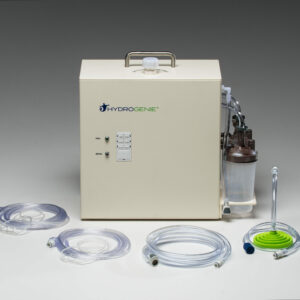
Professional-grade hydrogen generators like the HydroGenie and H2 Impact systems address the practical challenges of maintaining therapeutic hydrogen concentrations through on-demand production of fresh hydrogen-enriched water.

These systems utilize alkaline electrolysis technology to split water molecules into hydrogen and oxygen gases, dissolving the hydrogen into water at concentrations that can exceed the standard saturation limit. Unlike proton exchange membrane (PEM) systems, alkaline electrolysis offers several advantages:

  • Higher hydrogen concentration capability through controlled gas dissolution
  • No platinum catalyst requirements, reducing cost and metal contamination concerns
  • Robust long-term durability with proper maintenance
  • American manufacturing quality and customer support

The HydroGenie system offers versatile delivery methods beyond just drinking water, including:

  • Inhalation therapy using nasal cannula for systemic hydrogen delivery
  • Topical application with application cups or masks for targeted treatment
  • Bathing protocols for whole-body exposure to hydrogen-enriched water

For rheumatoid arthritis patients interested in exploring molecular hydrogen therapy, starting with drinking hydrogen-rich water provides the most straightforward approach, with options to expand to other delivery methods based on individual response and preferences.

Recommended Protocols

While optimal hydrogen water protocols for rheumatoid arthritis continue to be refined through ongoing research, current evidence suggests:

Daily Volume – The 2012 pilot study used 530 mL (approximately 18 ounces) of hydrogen-rich water daily. This likely represents a minimum effective dose, and many practitioners recommend 1-2 liters daily for chronic conditions.

Frequency – Dividing total daily intake into 2-3 doses helps maintain more consistent tissue hydrogen levels throughout the day.

Timing – Consuming hydrogen water on an empty stomach may enhance absorption, though this hasn’t been systematically studied for rheumatoid arthritis specifically.

Duration – The pilot study demonstrated continued benefits through eight weeks of interrupted treatment. Many patients may benefit from ongoing use as part of a comprehensive disease management strategy.

Monitoring Response

Patients using hydrogen water for rheumatoid arthritis should work with their rheumatology team to monitor response through:

  • Disease Activity Measures – Regular assessment using validated instruments like DAS28 or CDAI
  • Inflammatory Markers – Tracking C-reactive protein and erythrocyte sedimentation rate
  • Patient-Reported Outcomes – Monitoring pain levels, morning stiffness duration, and functional capacity
  • Long-term Outcomes – Periodic imaging to assess whether joint damage progression is slowing

Response typically develops gradually over weeks rather than days. The pilot study showed maximal DAS28 reduction by week 4, suggesting that a 4-8 week trial provides adequate time to assess individual response.[9]

Safety and Contraindications

Molecular hydrogen’s exceptional safety profile represents one of its most attractive features. Across numerous human studies involving various diseases and delivery methods, no serious adverse events attributable to hydrogen therapy have been reported.[8]

No Known Contraindications – Hydrogen water appears safe for use alongside conventional rheumatoid arthritis medications, including DMARDs, biologics, and corticosteroids. No drug interactions have been identified.

Pregnancy and Lactation – While comprehensive safety data in pregnancy is lacking, the inert nature and rapid clearance of molecular hydrogen suggest low risk. Nevertheless, pregnant or nursing women should consult healthcare providers before starting any new therapy.

Pediatric Use – Limited data exists for children with juvenile idiopathic arthritis, though hydrogen’s safety profile suggests it could be considered under medical supervision.

The absence of adverse effects distinguishes hydrogen therapy from virtually all pharmaceutical rheumatoid arthritis treatments, making it particularly attractive for patients concerned about medication side effects or those seeking to reduce pharmaceutical burden.

Broader Implications: Hydrogen Therapy for Autoimmune and Inflammatory Conditions

While this discussion focuses on rheumatoid arthritis, the mechanisms underlying hydrogen’s therapeutic effects suggest potential applications across a spectrum of inflammatory and autoimmune conditions.

Related Arthritic Conditions

Osteoarthritis – Recent research demonstrates that molecular hydrogen alleviates osteoarthritis progression through similar mechanisms—reducing oxidative stress and inhibiting inflammatory pathways like JNK signaling.[14] Given osteoarthritis’s high prevalence and limited treatment options, hydrogen therapy merits further investigation for degenerative joint disease.

Psoriatic Arthritis – Published case reports document improvement in both joint symptoms and skin manifestations with hydrogen therapy,[11] suggesting benefits may extend to other spondyloarthropathies.

Systemic Lupus Erythematosus – Oxidative stress plays a central role in lupus pathogenesis, and preliminary data suggests hydrogen therapy might modulate immune dysregulation in this complex autoimmune disease.[13]

Cardiovascular Protection

The elevated cardiovascular risk associated with rheumatoid arthritis stems from chronic systemic inflammation, accelerated atherosclerosis, and endothelial dysfunction. These same mechanisms contribute to cardiovascular disease in the general population, and molecular hydrogen has demonstrated protective effects on vascular endothelium in multiple studies.[4]

For rheumatoid arthritis patients, hydrogen therapy might provide a dual benefit—reducing joint inflammation while simultaneously protecting against cardiovascular complications that represent a leading cause of mortality in this population.

Metabolic Syndrome and Type 2 Diabetes

Many rheumatoid arthritis patients develop metabolic complications, partly due to chronic inflammation and partly from prolonged corticosteroid use. Interestingly, hydrogen-rich water has shown benefits for metabolic syndrome and type 2 diabetes in separate clinical trials.[15] For rheumatoid arthritis patients with comorbid metabolic conditions, hydrogen water’s effects on glucose metabolism represent an additional potential advantage.

Aging and Healthspan

Chronic inflammation and oxidative stress contribute to accelerated biological aging and reduced healthspan—the period of life spent in good health. By addressing these fundamental processes, molecular hydrogen therapy might support healthspan extension beyond its specific effects on rheumatoid arthritis, though this broader application requires further study.

Future Directions in Hydrogen Therapy Research

While existing evidence establishes hydrogen water’s potential for rheumatoid arthritis management, several important questions remain:

Optimal Protocols and Dosing

Current dosing recommendations derive from relatively few studies. Dose-response trials examining different concentrations, volumes, and frequencies would help establish optimal protocols for various patient subgroups.

Combination Therapy Studies

Systematic evaluation of hydrogen therapy combined with specific DMARDs or biologics could identify synergistic combinations that maximize benefit while minimizing medication doses and side effects.

Predictive Biomarkers

Identifying which patients will respond best to hydrogen therapy before treatment initiation would allow more targeted, personalized application. The observation that early-stage, ACPA-negative patients responded most dramatically suggests disease duration and serostatus might predict response, but this requires formal validation.

Long-term Outcomes

Studies extending beyond 8-12 weeks are needed to determine whether hydrogen therapy can slow radiographic progression, reduce disability accumulation, and improve long-term outcomes including cardiovascular events.

Mechanism Studies

While the basic hydroxyl radical scavenging mechanism is established, molecular hydrogen’s effects on gene expression, epigenetic modifications, immune cell populations, and the gut microbiome remain incompletely characterized. Understanding these mechanisms could identify novel therapeutic targets and combination approaches.

Conclusion: A Complementary Approach to Rheumatoid Arthritis Management

Molecular hydrogen therapy, delivered through hydrogen-enriched water, represents a scientifically validated complementary approach for rheumatoid arthritis management. Clinical trials demonstrate significant reductions in disease activity scores, inflammatory biomarkers, and oxidative stress levels, with some early-stage patients achieving complete symptom remission.

The mechanisms underlying these benefits are increasingly well understood, centered on hydrogen’s selective scavenging of hydroxyl radicals and interruption of inflammatory feedback loops that drive disease progression. Unlike conventional pharmaceutical therapies, molecular hydrogen demonstrates an exceptional safety profile with no significant adverse effects, making it suitable for long-term use.

However, current evidence supports hydrogen water as a complement to, not replacement for, conventional rheumatoid arthritis therapy. Patients with established, active disease require appropriate DMARD therapy to prevent joint destruction and disability. Hydrogen therapy appears best positioned as an adjunctive treatment that addresses oxidative stress and inflammation through mechanisms not targeted by standard medications.

For patients seeking to explore molecular hydrogen therapy, professional hydrogen generation systems like the HydroGenie and H2 Impact provide reliable, convenient access to therapeutic concentrations of hydrogen-enriched water. These American-made systems utilize proven alkaline electrolysis technology to produce fresh hydrogen water on demand, eliminating concerns about hydrogen loss during storage.

As research continues to expand our understanding of molecular hydrogen’s therapeutic potential, this simple yet sophisticated intervention offers patients with rheumatoid arthritis another tool in their disease management arsenal—one that targets fundamental disease mechanisms while respecting the body’s delicate biochemical balance.

Learn more about the transformative benefits of molecular hydrogen therapy by exploring customer experiences and discover how Brown’s Gas technology extends hydrogen therapy applications beyond rheumatoid arthritis to support comprehensive wellness.

References

  1. McInnes IB, Schett G. The pathogenesis of rheumatoid arthritis. N Engl J Med. 2011;365(23):2205-2219.
  2. Ishibashi T. Molecular hydrogen: new antioxidant and anti-inflammatory therapy for rheumatoid arthritis and related diseases. Curr Pharm Des. 2013;19(35):6375-6381.
  3. Papa S. Mitochondrial oxidative phosphorylation changes in the life span. Molecular aspects and physiopathological implications. Biochim Biophys Acta. 1996;1276(2):87-105.
  4. Filippin LI, Vercelino R, Marroni NP, Xavier RM. Redox signalling and the inflammatory response in rheumatoid arthritis. Clin Exp Immunol. 2008;152(3):415-422.
  5. Chen Y, Jiang J, Miao H, Chen X, Sun X, Li Y. Hydrogen: current knowledge on mechanism in alleviating free radical damage and diseases. Chin Med Sci J. 2019;34(4):247-256.
  6. Chen X, Li Y. Molecular hydrogen: a therapeutic antioxidant and beyond. Med Gas Res. 2016;6(4):219-229.
  7. Ohsawa I, Ishikawa M, Takahashi K, et al. Hydrogen acts as a therapeutic antioxidant by selectively reducing cytotoxic oxygen radicals. Nat Med. 2007;13(6):688-694.
  8. Dixon BJ, Tang J, Zhang JH. The evolution of molecular hydrogen: a noteworthy potential therapy with clinical significance. Med Gas Res. 2013;3(1):10.
  9. Ishibashi T, Sato B, Rikitake M, et al. Consumption of water containing a high concentration of molecular hydrogen reduces oxidative stress and disease activity in patients with rheumatoid arthritis: an open-label pilot study. Med Gas Res. 2012;2(1):27.
  10. Ishibashi T, Ichikawa M, Sato B, et al. Therapeutic efficacy of infused molecular hydrogen in saline on rheumatoid arthritis: a randomized, double-blind, placebo-controlled pilot study. Int Immunopharmacol. 2014;21(2):468-473.
  11. Ishibashi T, Ichikawa M, Sato B, et al. Improvement of psoriasis-associated arthritis and skin lesions by treatment with molecular hydrogen: A report of three cases. Mol Med Rep. 2015;12(2):2757-2764.
  12. Guo SX, Jin YY, Fang Q, et al. Molecular hydrogen decelerates rheumatoid arthritis progression through inhibition of oxidative stress. Am J Transl Res. 2016;8(10):4472-4477.
  13. Lui H, Kwok R, Chow E, et al. Predicting therapeutic response to molecular hydrogen in autoimmune diseases via immunophenotyping. APMIS. 2025;133(1):e13479.
  14. Fang J, Sun C, Wan R, et al. Hydrogen alleviates osteoarthritis via JNK signaling pathway. J Inflamm Res. 2022;15:925-937.
  15. Nakao A, Toyoda Y, Sharma P, Evans M, Guthrie N. Effectiveness of hydrogen rich water on antioxidant status of subjects with potential metabolic syndrome-an open label pilot study. J Clin Biochem Nutr. 2010;46(2):140-149.
  16. Ichihara M, Sobue S, Ito M, Ito M, Hirayama M, Ohno K. Beneficial biological effects and the underlying mechanisms of molecular hydrogen – comprehensive review of 321 original articles. Med Gas Res. 2015;5:12.
  17. Hayashida K, Sano M, Ohsawa I, et al. Inhalation of hydrogen gas reduces infarct size in the rat model of myocardial ischemia-reperfusion injury. Biochem Biophys Res Commun. 2008;373(1):30-35.
  18. Gharib B, Hanna S, Abdallahi OM, Lepidi H, Gardette B, De Reggi M. Anti-inflammatory properties of molecular hydrogen: investigation on parasite-induced liver inflammation. C R Acad Sci III. 2001;324(8):719-724.
  19. Kawamura T, Huang CS, Tochigi N, et al. Inhaled hydrogen gas therapy for prevention of lung transplant-induced ischemia/reperfusion injury in rats. Transplantation. 2010;90(12):1344-1351.
  20. Qian L, Cao F, Cui J, et al. Radioprotective effect of hydrogen in cultured cells and mice. Free Radic Res. 2010;44(3):275-282.
  • HydroGenie-Molecular-Hydrogen-Generator

    HydroGenie and Parts Pack

    $1,997.00